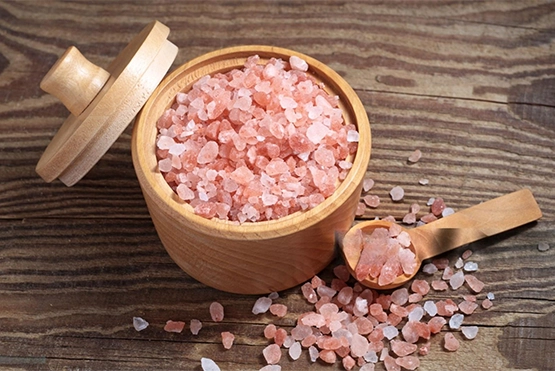
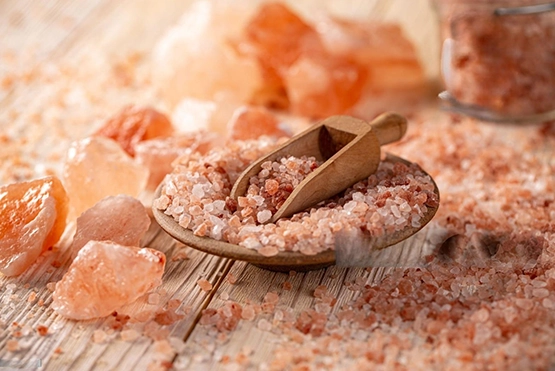
The global marketplace has shifted dramatically in recent years. Consumers no longer view food and wellness products as separate categories; they are seeking lifestyle choices that combine health, authenticity, and sustainability. One product that has captured attention across all these fronts is Himalayan salt. Harvested from the ancient Khewra Salt Mines in Pakistan, this mineral has gone from a regional seasoning to a global lifestyle product. As we step into 2025, demand for Himalayan salt continues to grow, particularly in the United States, where wellness culture and clean-label products are reshaping consumer habits.
Why the U.S. Leads Demand
The U.S. is one of the largest markets for Himalayan salt. American consumers are increasingly focused on healthier living, and products marketed as natural, authentic, and minimally processed align perfectly with this demand. Himalayan salt is thriving here for three main reasons:
- Wellness Trends: In the booming U.S. wellness industry, Himalayan salt stands out as a pure, natural choice for health-conscious consumers.
- Multiple Applications: It’s not just about seasoning food; Himalayan salt has made its way into spas, home décor, and personal care.
- Luxury Branding: Positioned as a premium salt, it caters to consumers who want exclusivity along with health benefits.
This cross-industry appeal ensures that Himalayan salt remains relevant, from upscale restaurants to beauty stores.
Key Product Categories Driving Growth
Himalayan salt is no longer just about fine-grain seasoning. By 2025, its market potential extends across several product categories:
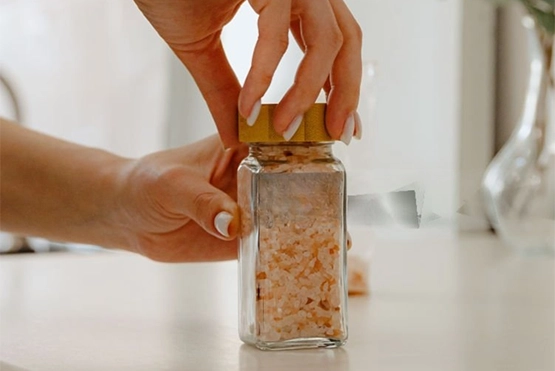
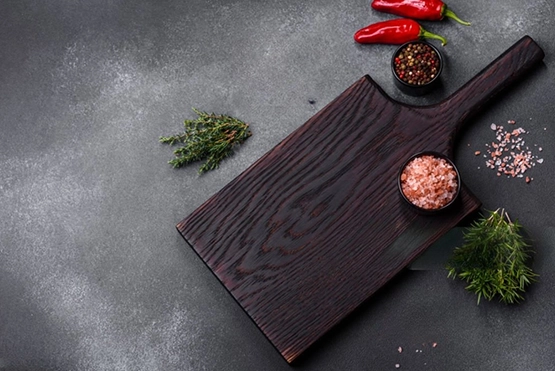
- Culinary Products: From fine salt for daily meals to coarse grains for grinders and striking slabs for grilling and presentation, Himalayan salt elevates every culinary experience.
- Wellness & Spa: Bath salts, scrubs, and salt inhalers are increasingly popular in beauty and wellness centers.
- Lifestyle & Décor: Salt lamps, tiles, and bricks have gained popularity as decorative items that are also associated with natural air purification.
Each category targets a unique consumer group, allowing exporters and U.S. retailers to diversify their offerings.
What’s Driving Market Growth in 2025
Several major trends are fueling Himalayan salt’s rise:
- Health Awareness: Growing rejection of refined table salt makes mineral-rich Himalayan salt an appealing substitute.
- Eco-Friendly Choices: Ethical sourcing and sustainable packaging resonate with U.S. consumers.
- E-Commerce Expansion: Platforms like Amazon and specialty wellness stores have made it easier to reach American buyers directly.
- Premium Food Culture: Chefs and restaurants continue to use Himalayan salt to elevate dining experiences.
These factors ensure that Himalayan salt maintains its position as both a functional and lifestyle-driven product.
Opportunities for Exporters
For exporters, 2025 presents immense opportunities to tap into the U.S. market and beyond:
- Private Labeling: Many U.S. retailers prefer importing Himalayan salt under their own brand names. Exporters offering this service stand out.
- Certifications: FDA approval, HACCP, and Halal certifications build trust with U.S. buyers.
- Value-Added Products: Flavored salt blends, premium packaging, and spa-focused product lines enhance profitability.
- Bulk Supply: Food manufacturers and wellness chains continue to import Himalayan salt in large volumes.
Challenges to Navigate
Despite the opportunities, exporters must remain cautious about potential hurdles:
- Price Competition: Growing demand has attracted new suppliers, leading to pricing pressures.
- Authenticity Concerns: Fake or low-quality Himalayan salt risks damaging consumer confidence. Traceability is crucial.
- Logistics: Rising freight costs and supply chain disruptions require efficient export strategies.
Future Outlook
By 2025, Himalayan salt will remain a strong global market player, particularly in the U.S. The most successful exporters will be those who align with consumer expectations of authenticity, sustainability, and innovation. The industry is not just about exporting a product anymore; it’s about exporting a story, a heritage, and a lifestyle.
Conclusion
Himalayan salt has evolved from a seasoning to a global brand category. In 2025, its growth is powered by wellness trends, eco-consciousness, and lifestyle branding. For exporters, the opportunity lies in offering certified, value-added products that resonate with American consumers. With its purity, natural origin, and versatility, Himalayan salt is positioned to remain a global favorite for years to come.