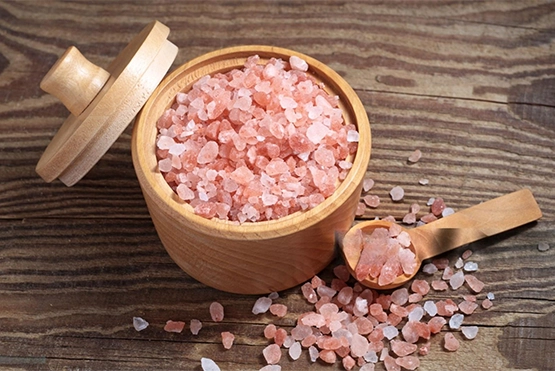
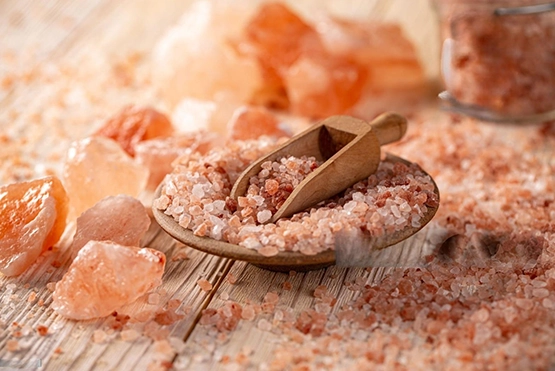
Choosing the right exporter is the key to building a strong and successful Himalayan salt sourcing partnership. From ensuring authenticity to maintaining seamless logistics, the decision has a direct impact on quality, customer satisfaction, and long-term growth. Selecting a reliable Himalayan salt export partner ensures you receive genuine products, consistent deliveries, and competitive pricing.
- Verify Authenticity and Origin
The authenticity of Himalayan salt is the foundation of trust between you and your supplier. Authenticity remains a challenge, as many exporters do not provide salt genuinely sourced from Pakistan’s Khewra mines. To verify authenticity, businesses should:
- Request a Certificate of Origin to confirm the salt’s source.
- Request lab reports or a COA confirming the mineral profile.
- Ensure the product is free from additives or artificial coloring.
By carrying out these checks, you safeguard your business against counterfeit products while strengthening customer trust and credibility.
- Check Certifications and International Compliance
Global trade regulations demand strict adherence to safety and quality standards. A professional exporter should hold certifications that demonstrate credibility.
Look for:
- ISO, HACCP, or FDA approvals, depending on the target market.
- Halal or Kosher certification for religiously sensitive markets.
- Compliance with local food safety laws in your country of import.
These certifications signal that the exporter is serious about quality and understands international requirements.
- Evaluate Product Range and Customization Options
A dependable exporter delivers a wide selection of Himalayan salt products, tailored to the demands of different industries. From edible salt to spa products and decorative items, a broad range adds value to your partnership.
Consider whether the supplier provides:
- Different grades of edible salt (fine, coarse, slabs, and grinders).
- Wellness Products: From soothing bath salts to spa crystals and inhalers, Himalayan salt enhances relaxation and well-being.
- Decorative items like lamps, candle holders, and animal lick blocks.
- Private labeling and custom packaging to strengthen your brand identity.
Flexibility in product offerings means the exporter can adapt to your market’s changing needs.
- Review Pricing, MOQs, and Shipping Capabilities
Transparent business practices are non-negotiable when choosing a reliable Himalayan salt export partner. Evaluate their pricing structure, minimum order quantities, and logistics before committing.
Points to check:
- Bulk pricing and clarity of charges, including packaging, handling, and transport.
- Reasonable minimum order quantities (MOQs) that fit your budget and demand.
- Smooth shipping management, including customs paperwork and tracking services.
- Timely delivery track record, because consistency is critical in retail and wholesale.
An exporter with strong logistics experience will prevent costly delays and disruptions.
- Prioritize Ethical Sourcing and Sustainability
Modern customers increasingly prefer brands that align with ethical practices. Partnering with a supplier who values sustainability enhances your brand image.
Make sure your export partner:
- Follows responsible mining techniques to preserve the environment.
- Upholds fair labor standards in production and packaging.
- Practices waste reduction and energy-efficient operations.
By prioritizing sustainability, you also build long-term trust with your buyers.
- Test Communication and Customer Support
Good communication is often overlooked but is vital for a lasting partnership. From your first inquiry, notice how responsive the exporter is.
Signs of strong support include:
- Quick replies to queries and willingness to provide detailed information.
- Readiness to share product samples before bulk orders.
- Proactive solutions for challenges related to quality, packaging, or logistics.
Reliable communication ensures smoother business operations and minimizes risks.
Conclusion
Selecting the right exporter is more than a purchase decision; it’s a strategic partnership. By verifying authenticity, demanding certifications, exploring product ranges, assessing logistics, prioritizing ethics, and testing communication, you can confidently choose a reliable Himalayan salt export partner. The right choice guarantees not only quality and consistency but also peace of mind for your business and your customers.