In the world of global food trade, not every product makes it beyond borders. To succeed, an item must combine authenticity, health appeal, and consumer demand. Pink Himalayan Salt has managed to do all three, becoming a premium export commodity for international markets, particularly the United States. Its natural purity, stunning appearance, and growing global reputation make it much more than just another seasoning. Let’s explore why Pink Himalayan Salt continues to be the top choice for food exporters worldwide.
What Makes Pink Himalayan Salt Unique?
Unlike refined table salt, which goes through heavy chemical processing, Pink Himalayan Salt is harvested directly from the ancient Khewra Salt Mines in Pakistan. These deposits, believed to be over 250 million years old, produce salt that is pure, unrefined, and free from additives.
Some qualities that set it apart include:
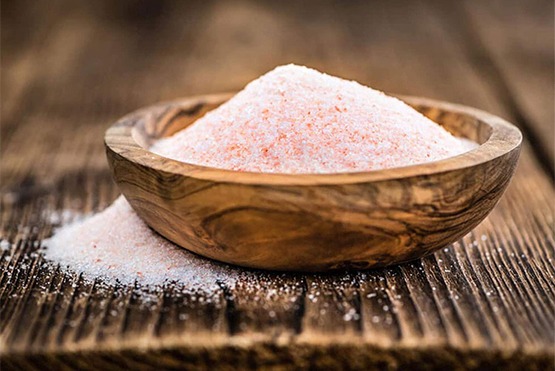
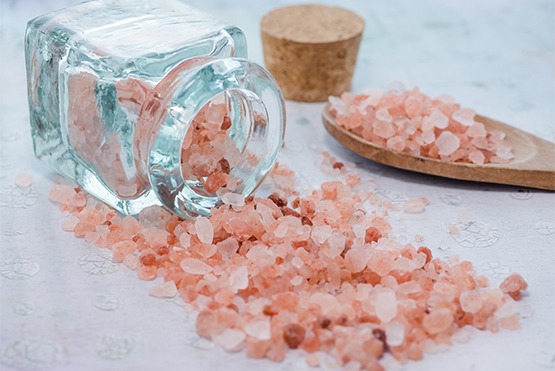
- Natural Color & Appeal: Its signature pink-to-reddish hue makes it attractive in gourmet and retail packaging.
- Chemical-Free: No bleaching or industrial refining is involved.
- Versatility: Exporters can offer it as fine powder, coarse grains, slabs, and even decorative salt lamps.
For exporters, this means they are dealing with a product that is both authentic and adaptable to multiple industries, from culinary to wellness.
Rising Demand in the U.S. Market
Pink Himalayan salt is consumed in massive quantities in the U.S., making it one of the largest markets worldwide. This demand is being fueled by the rise of health-conscious and eco-conscious buyers who want alternatives to refined products. In the U.S., the salt is popular not just for cooking but also in lifestyle and wellness categories.
- Culinary Use: Favored by chefs and households for its taste and visual appeal.
- Health & Wellness: Marketed as detoxifying and mineral-rich.
- Lifestyle Products: Salt lamps, scrubs, and spa blocks have become mainstream in wellness stores.
This wide application allows exporters to tap into multiple revenue streams with just one product.
Why Exporters Prefer Pink Himalayan Salt
For food exporters, the decision to focus on Pink Himalayan Salt is strategic:
- Premium Market Positioning It’s branded as a luxury product, enabling exporters to target gourmet markets, organic stores, and upscale restaurants.
- Product Diversification Exporters can sell edible salt alongside décor and wellness products, all under the Himalayan Salt category.
- Sustainable Supply Pakistan’s reserves ensure exporters have a stable, long-term source of supply.
- High Profit Margins Compared to table salt, its premium branding allows exporters to command better prices.
Benefits for U.S. Importers
For American distributors and retailers, Pink Himalayan Salt checks every box that today’s consumers look for:
- Natural & Clean Label: Free from chemicals, appealing to the organic food movement.
- Gourmet Dining Appeal: Perfect for restaurants emphasizing authentic, farm-to-table dining.
- Health Branding: Positioned as a wellness-driven, mineral-packed alternative to ordinary salt.
Strategies for Exporters
To succeed in the U.S. market, exporters need more than supply; they must focus on quality and branding. Strategies include:
- Obtaining FDA approval and international food certifications.
- Offering private-label services to U.S. brands.
- Expanding into wellness niches like inhalers, bath salts, and spa décor.
- Highlighting authentic Pakistani origin in marketing stories.
Conclusion
Pink Himalayan Salt is more than a kitchen ingredient; it’s a global business opportunity. Its natural purity, cultural heritage, and high demand make it a winning product for exporters. Whether it’s used in fine dining, displayed as a wellness lamp, or added to spa treatments, this pink crystal continues to represent both tradition and profitability. For exporters, especially those targeting the U.S., Pink Himalayan Salt isn’t just a commodity; it’s a premium brand in itself.