Introduction
Consumers today are more conscious than ever about what goes into the food they eat. From checking ingredient labels to choosing products made with natural components, buying habits have shifted toward transparency and simplicity. This growing preference has led to the rise of the clean label movement, where consumers seek foods made with recognizable, minimally processed ingredients and free from unnecessary additives.
One ingredient that perfectly aligns with this trend is Himalayan pink salt. Known for its natural origin, distinctive pink color, and minimal processing, it has become a preferred choice for food manufacturers and health-conscious consumers alike. As demand for clean label products continues to increase in the United States and other international markets, Himalayan salt is finding its place in a wide variety of packaged foods, gourmet products, and private label brands.
Ghani Himalayan Salt supplies premium-quality Himalayan salt products to global buyers, supporting businesses that want natural, high-quality ingredients for modern food applications.
Understanding the Clean Label Food Trend
The term clean label does not have a single legal definition, but it generally refers to food products made with simple, natural, and easily recognizable ingredients. Today’s consumers want transparency from food manufacturers and are increasingly avoiding products with long ingredient lists filled with artificial preservatives, colors, and chemical additives.
Instead, they look for ingredients that they understand and trust.
Characteristics of Clean Label Products
- Minimal processing
- Natural ingredients
- Transparent sourcing
- No unnecessary additives
- Easy-to-read ingredient lists
- High-quality raw materials
This consumer preference has encouraged food manufacturers to reformulate products using ingredients that better reflect these values.
This is where How Himalayan Salt Supports Clean Label Food Trends becomes highly relevant. Himalayan salt naturally complements clean label formulations because of its simple origin and premium image.
Why Himalayan Salt Fits the Clean Label Movement
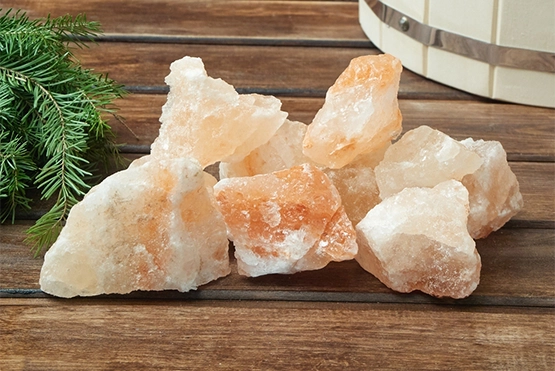
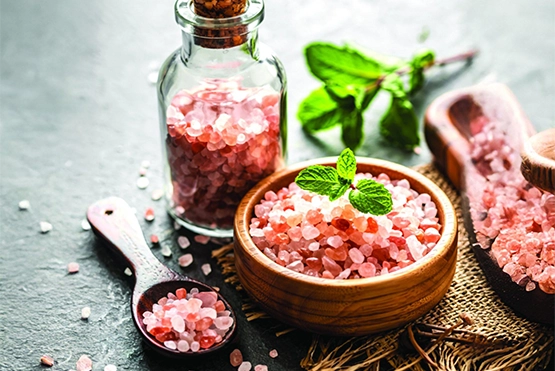
Unlike highly refined table salt, Himalayan pink salt is extracted from ancient salt deposits and typically undergoes minimal processing before packaging. Its natural pink appearance comes from trace minerals present within the salt crystals, making it visually distinctive without the need for artificial coloring.
For food manufacturers, this offers both functional and marketing advantages.
Benefits for Clean Label Food Products
- Naturally sourced ingredient
- Premium visual appearance
- Minimal processing
- Suitable for gourmet products
- Supports transparent ingredient lists
- Widely recognized by consumers
Many brands now proudly list Himalayan pink salt as an ingredient because it enhances product positioning while meeting consumer expectations for natural foods.
As more companies explore How Himalayan Salt Supports Clean Label Food Trends, Himalayan salt continues gaining popularity across multiple food categories.
Applications Across the Food Industry
Himalayan salt is no longer limited to home kitchens. It has become an important ingredient across numerous food manufacturing sectors.
Popular Applications Include
Gourmet Seasonings
Premium seasoning blends often use Himalayan salt to enhance both flavor and product presentation.
Snack Foods
Manufacturers use Himalayan salt in chips, popcorn, roasted nuts, crackers, and healthy snacks to appeal to wellness-conscious buyers.
Organic Food Products
Organic and natural food brands frequently incorporate Himalayan salt into their formulations because it aligns with their overall brand identity.
Ready-to-Eat Meals
Prepared meals and frozen food brands increasingly use Himalayan salt in products marketed toward consumers seeking cleaner ingredient lists.
Sauces and Condiments
Premium sauces, marinades, and spice rubs also benefit from Himalayan salt’s natural positioning.
Because consumers recognize Himalayan salt as a natural ingredient, its inclusion can increase the perceived value of many packaged foods.
Consumer Demand Continues to Grow
Modern shoppers spend more time reading labels than ever before. Research consistently shows that consumers appreciate transparency and are willing to pay more for products that contain familiar ingredients.
Several factors continue driving demand:
- Growing health awareness
- Interest in natural foods
- Preference for premium ingredients
- Increased focus on wellness
- Demand for clean-label packaging
- Greater trust in transparent brands
Food companies that embrace these preferences often strengthen customer loyalty and improve brand perception.
This discussion around How Himalayan Pink Salt for Natural Food Products reflects this broader shift toward healthier and more transparent food manufacturing.
Benefits for Food Manufacturers
For manufacturers, Himalayan salt offers advantages beyond consumer appeal. It also provides flexibility across different product categories while supporting premium branding.
Manufacturing Benefits
- Suitable for a wide range of food applications
- Available in fine, coarse, and customized grain sizes
- Attractive for premium product positioning
- Compatible with private label manufacturing
- Supports natural ingredient marketing
- Appeals to international markets
These benefits make Himalayan salt an attractive ingredient for businesses looking to innovate while maintaining clean ingredient lists.
The Importance of Choosing a Reliable Supplier
As demand grows, selecting the right Himalayan salt supplier becomes increasingly important. Manufacturers need consistency, reliable supply chains, and high-quality production standards.
A trusted supplier should provide:
- Food-grade processing
- Consistent product quality
- Export-ready packaging
- Bulk supply capabilities
- Custom packaging options
- International quality standards
Ghani Himalayan Salt works with food manufacturers, wholesalers, distributors, and private label companies by supplying premium Himalayan salt products suitable for international markets. With a focus on quality, consistency, and professional export services, the company helps businesses meet the increasing demand for clean label food ingredients.
Future Outlook for Clean Label Foods
The clean label movement is expected to continue growing over the coming years. Consumers are becoming more informed about food ingredients and are actively choosing products that reflect healthier and more transparent lifestyles.
Himalayan salt is well positioned to remain part of this trend because it naturally aligns with consumer expectations for authenticity, simplicity, and quality.
Food manufacturers that adopt natural ingredients today are likely to remain competitive as consumer preferences continue evolving.
The increasing interest in Himalayan salt demonstrates that natural ingredients are no longer merely an option – they are becoming an expectation.
Conclusion
Clean label foods have transformed the global food industry by encouraging transparency, simplicity, and natural ingredient sourcing. Himalayan pink salt fits seamlessly into this movement because of its natural origin, minimal processing, and premium consumer perception.
Whether used in gourmet seasonings, organic products, healthy snacks, or private label food brands, Himalayan salt continues to support manufacturers looking to meet modern consumer expectations.
As international demand grows, companies like Ghani Himalayan Salt remain committed to supplying premium-quality Himalayan salt products that help food businesses create cleaner, more trusted products for customers worldwide.
FAQs
1. What is a clean label food product?
A clean label food product uses simple, recognizable, and minimally processed ingredients without unnecessary artificial additives.
2. Why is Himalayan salt considered suitable for clean label foods?
Himalayan salt is naturally sourced, minimally processed, and easily recognized by consumers, making it an excellent clean label ingredient.
3. Which food products commonly use Himalayan salt?
It is widely used in seasonings, snacks, ready meals, sauces, gourmet foods, spice blends, and organic food products.
4. Can Himalayan salt be used in private label food products?
Yes. Many private label brands choose Himalayan salt because it supports premium positioning and clean ingredient lists.
5. Where can businesses source premium Himalayan salt for food manufacturing?
Businesses can source export-quality Himalayan salt products from www.ghanihimalayansalt.com