Salt is a daily necessity, yet not all salt is created equal. Understanding the difference between Himalayan salt and regular salt can help consumers make healthier and more informed choices for cooking and wellness.
What Is Regular Salt?
Regular table salt is highly processed and refined. During processing, natural minerals are stripped away, leaving almost pure sodium chloride. To improve shelf life and appearance, manufacturers often add chemicals such as anti-caking agents and iodine.
Common characteristics of regular salt include:
- Fine, uniform texture
- Bright white color
- Limited mineral content
- Industrial processing
While iodine is added to prevent deficiency, the refining process removes most naturally occurring minerals.
What Is Himalayan Salt?
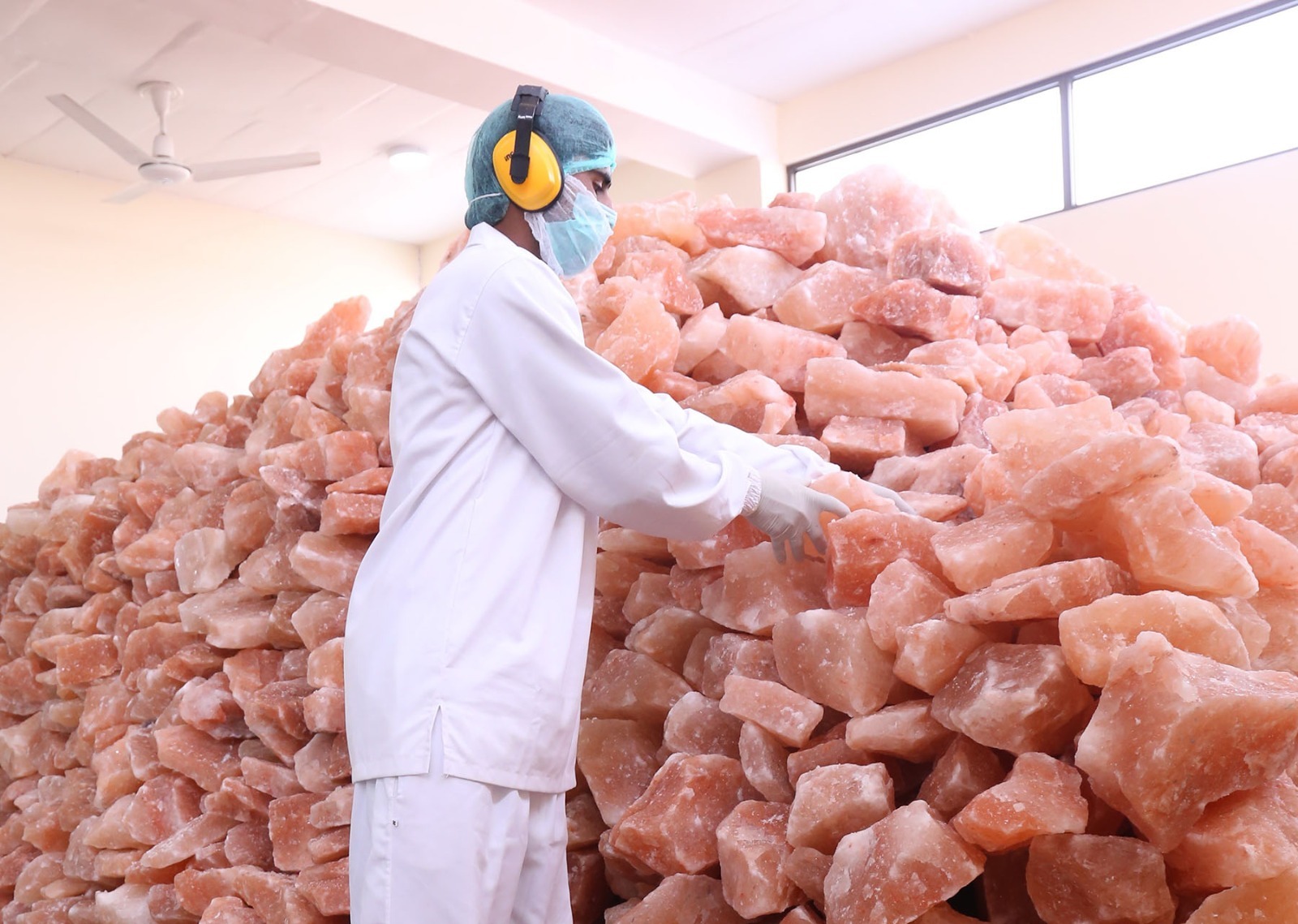
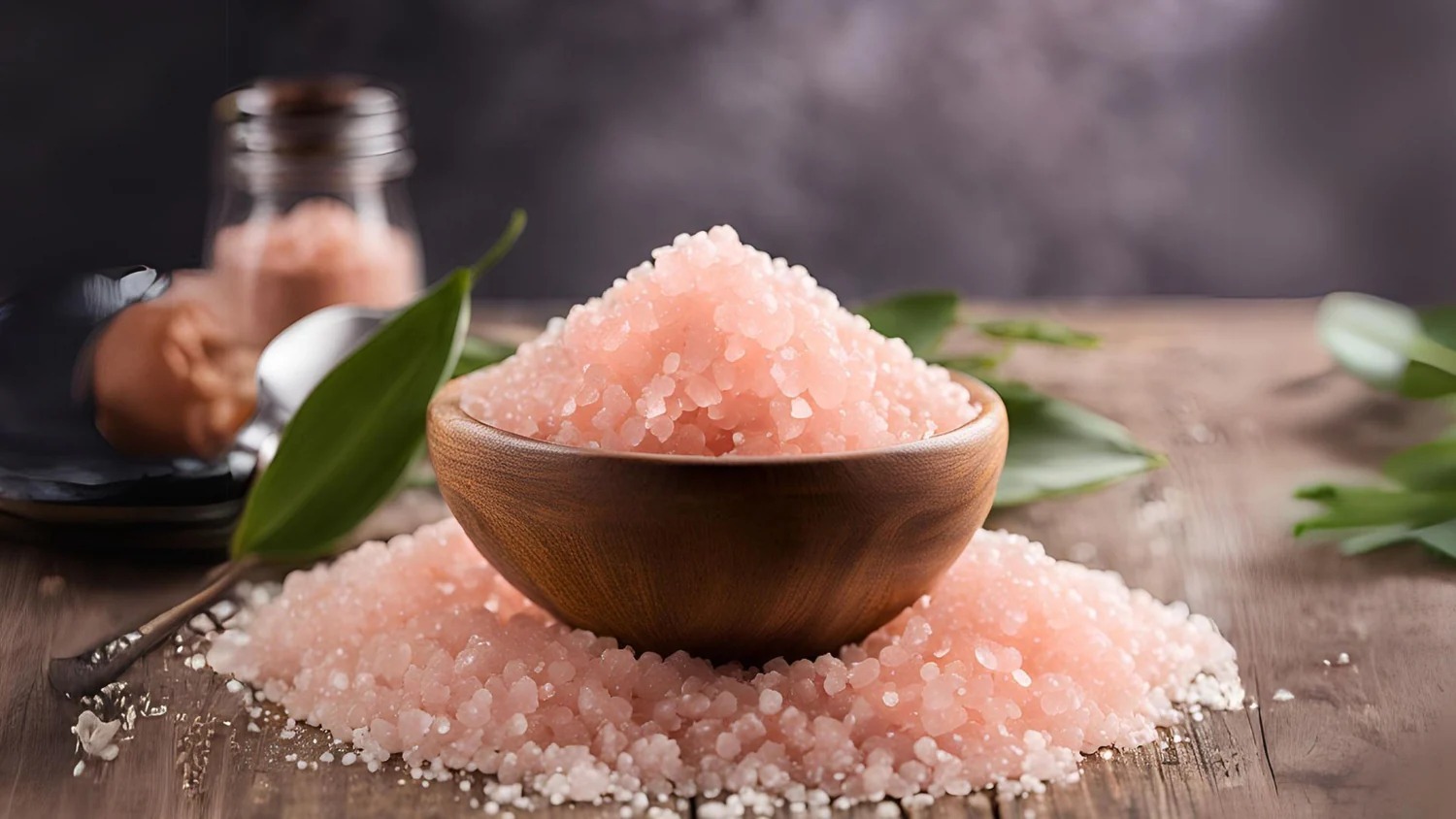
Himalayan salt is a natural rock salt mined from ancient salt deposits located near the Himalayan Mountain range. It is known for its distinctive pink color, which comes from trace minerals such as iron, calcium, potassium, and magnesium.
Key features of Himalayan salt include:
- Naturally occurring minerals
- Minimal processing
- No artificial additives
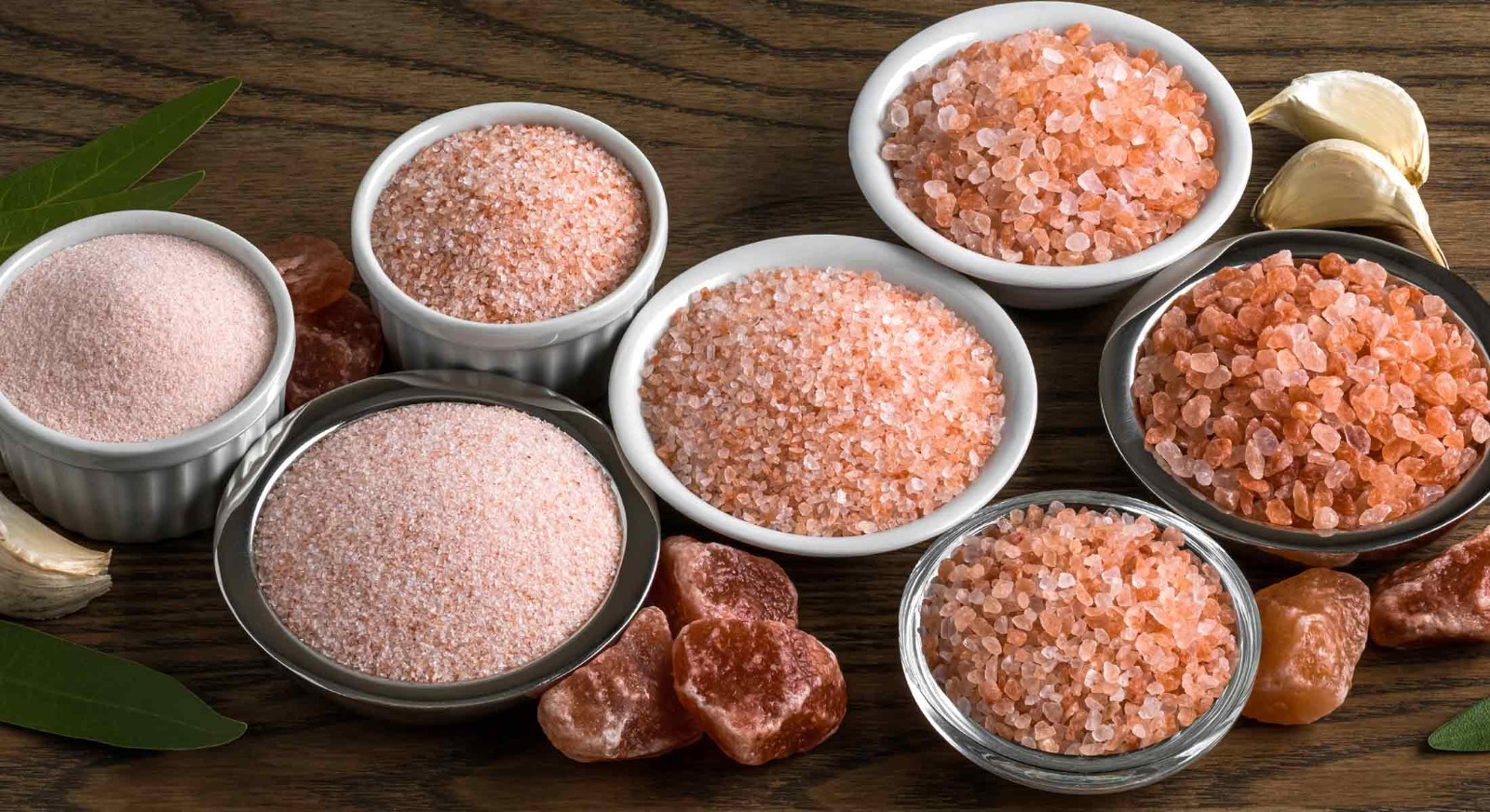
- Coarse crystal structure
This natural origin is the primary reason many consumers prefer Himalayan salt over regular salt.
The Difference Between Himalayan Salt and Regular Salt in Composition
The most notable difference between Himalayan salt and regular salt lies in mineral content. Regular salt is nearly 97–99% sodium chloride, while Himalayan salt contains over 80 trace minerals in small quantities.
These minerals may contribute to:
- Better electrolyte balance
- Enhanced taste
- More natural seasoning
Although both salts contain sodium, Himalayan salt delivers it in a less refined form.
Taste, Texture, and Culinary Use
Himalayan salt offers a milder, more rounded flavor compared to the sharp saltiness of regular salt. Chefs and home cooks often prefer it because it enhances food without overpowering natural flavors.
Culinary advantages include:
- Better control over seasoning
- Attractive presentation
- Suitable for grilling, cooking, and finishing
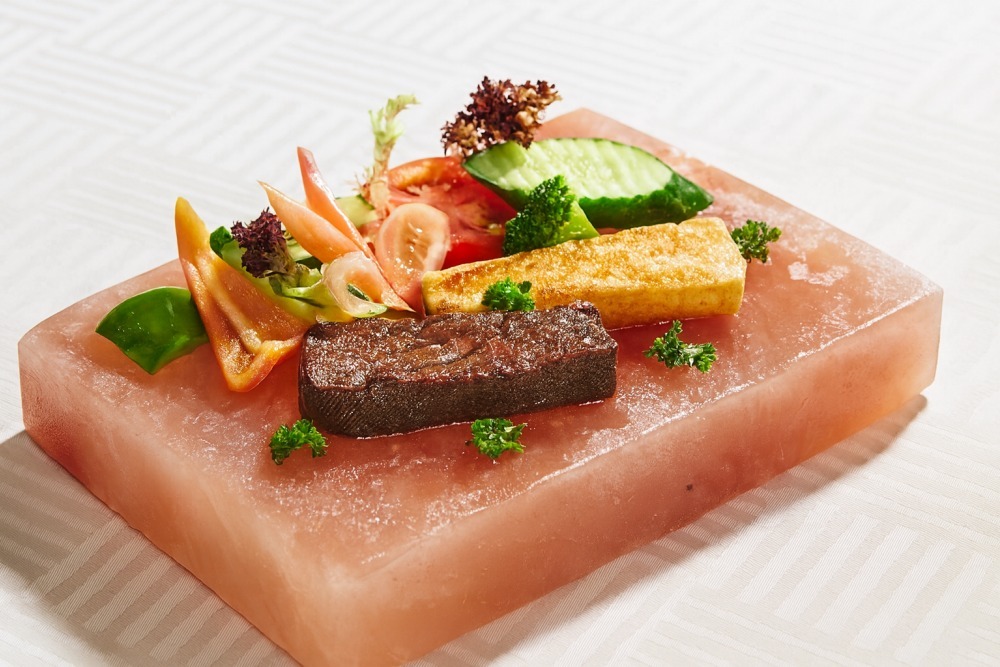
Salt slabs made from Himalayan salt are also used for cooking and serving.
Health Perspective
While salt should always be consumed in moderation, Himalayan salt is often viewed as a more natural option due to its lack of additives and trace mineral presence. Regular salt, when consumed excessively, has been linked to high blood pressure and water retention.
Choosing a natural alternative may support:
- Reduced chemical intake
- Cleaner dietary habits
- Conscious food choices
Why Source Matters
The purity of Himalayan salt depends heavily on sourcing. Trusted suppliers like Ghani Himalayan Salt ensure authentic mining, hygienic processing, and international quality compliance.
Conclusion
Understanding the difference between Himalayan salt and regular salt allows consumers to choose better ingredients for long-term wellness. Natural sourcing, minimal processing, and mineral richness make Himalayan salt a preferred choice globally.