Introduction
Salt is one of the most important ingredients in every kitchen, but not all salts are the same. Among the many varieties available today, Himalayan pink salt has gained popularity for its natural appearance, distinctive flavour, and mineral content. Mined from ancient rock salt deposits, this unrefined seasoning is valued for containing trace minerals that contribute to its signature pink colour.
Although it contains more than 80 trace elements, Himalayan pink salt is still primarily made up of sodium chloride. The additional minerals are present in small amounts, meaning they complement a balanced diet rather than replace nutrient-rich foods. Understanding its composition, benefits, and practical uses can help you make an informed choice when selecting salt for everyday cooking.
Himalayan Pink Salt and Its Essential Minerals for Daily Nutrition helps consumers understand how this natural seasoning can be used responsibly as part of a balanced lifestyle.
What Himalayan Pink Salt Actually Is
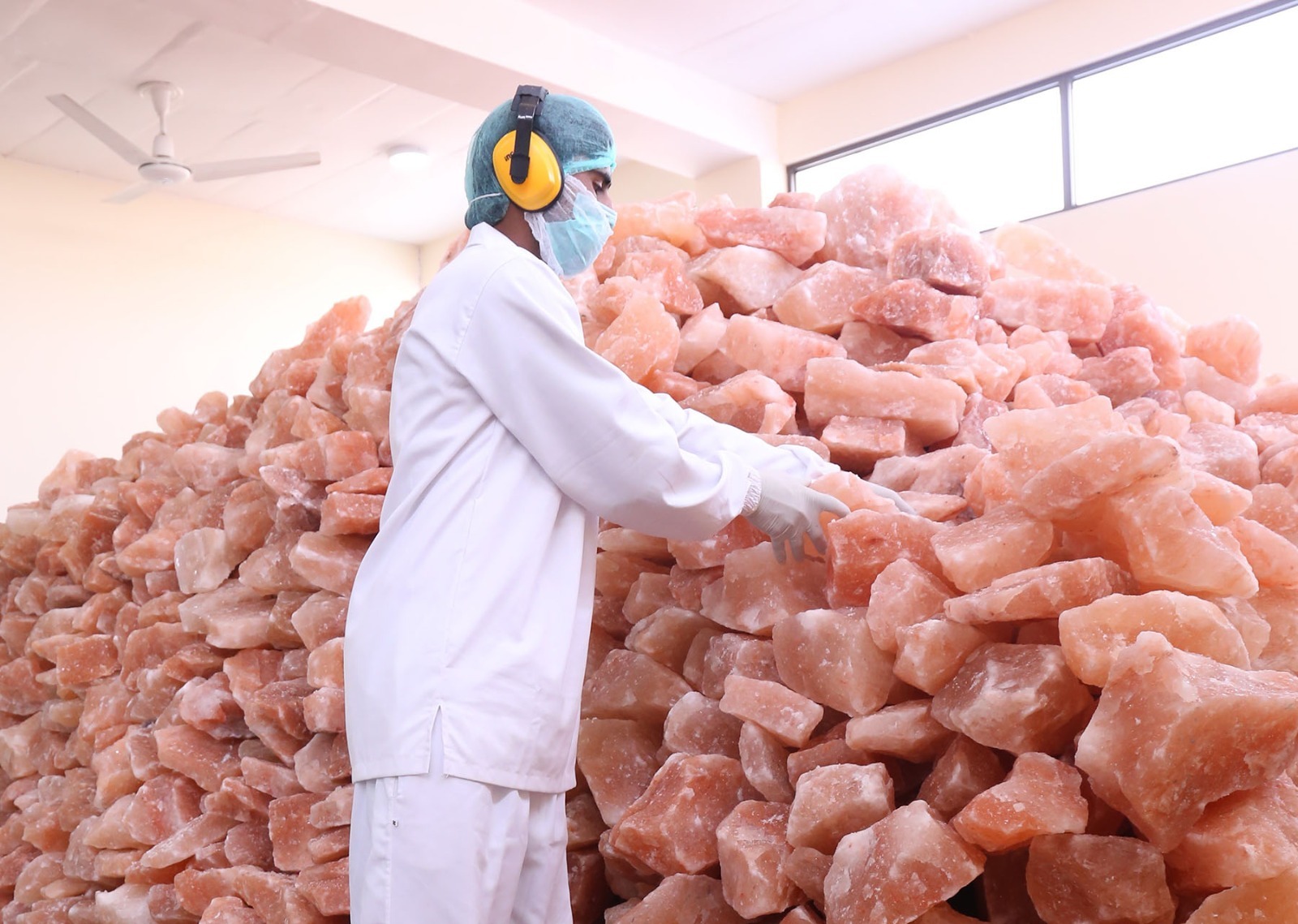
Himalayan pink salt is a naturally occurring rock salt extracted from ancient underground deposits formed millions of years ago. Unlike heavily refined table salt, it undergoes minimal processing, helping preserve its natural structure and trace mineral content.
Approximately 98% of Himalayan pink salt consists of sodium chloride, while the remaining portion contains naturally occurring minerals such as potassium, magnesium, calcium, and iron. These trace elements are responsible for the attractive shades ranging from light pink to deep reddish-orange.
Its coarse texture and natural origin make it a preferred choice for culinary use, decorative serving blocks, and wellness products.
Essential Minerals Found in Himalayan Pink Salt
The unique composition of Himalayan pink salt includes several naturally occurring minerals that contribute to its appearance and overall value.
Sodium
Sodium is the primary component and plays an essential role in maintaining fluid balance, supporting nerve function, and helping muscles contract properly. However, moderation remains important because excessive sodium intake may increase health risks.
Potassium
Potassium supports normal muscle function, fluid balance, and healthy heart rhythm. Although Himalayan pink salt contains potassium, the quantity is relatively small.
Magnesium
Magnesium contributes to healthy nerve activity, muscle relaxation, and numerous biochemical reactions within the body.
Calcium
Calcium is widely recognised for supporting strong bones and healthy teeth. Only trace amounts are naturally present in Himalayan pink salt.
Iron
Iron oxide gives the salt its characteristic pink colour. While iron is essential for oxygen transport in the body, the amount found in Himalayan pink salt is minimal.
Health Benefits of Pink Himalayan Salt in Daily Diet
When used responsibly, Himalayan pink salt can be a natural alternative to highly refined table salt.
Less Processing
Because it undergoes minimal refinement, it retains naturally occurring trace minerals and does not typically contain the anti-caking agents commonly added to regular table salt.
Natural Flavour Enhancement
Its mild, earthy taste enhances vegetables, meats, seafood, soups, and salads without overpowering other ingredients.
Supports Normal Body Functions
The sodium content contributes to maintaining hydration, muscle contraction, and nerve signalling when consumed within recommended daily limits.
Adds Variety to Healthy Cooking
Many people prefer using Himalayan pink salt as part of whole-food cooking because of its natural appearance and distinctive flavour.
Important Note: Despite containing over 80 trace minerals, the quantities are too small to meet daily nutritional requirements. A balanced diet rich in fruits, vegetables, legumes, nuts, dairy, and whole grains remains the best source of essential vitamins and minerals.
Why Trace Minerals Matter
The naturally occurring minerals found in Himalayan pink salt contribute more to its colour and uniqueness than to daily nutrition. While they are beneficial components, relying on salt as a major mineral source would require consuming unsafe amounts of sodium.
Himalayan Pink Salt and Its Essential Minerals for Daily Nutrition also makes it easier to separate genuine nutritional value from exaggerated health claims.
Health experts generally recommend limiting sodium intake to around 2,300 mg per day, making moderation essential regardless of the type of salt used.
Uses of Pink Himalayan Salt
Himalayan pink salt is versatile and suitable for many culinary applications.
- Seasoning everyday meals
- Cooking vegetables, poultry, seafood, and meat
- Finishing roasted dishes for added texture
- Enhancing homemade salad dressings
- Baking breads and savoury snacks
- Brining meat before cooking
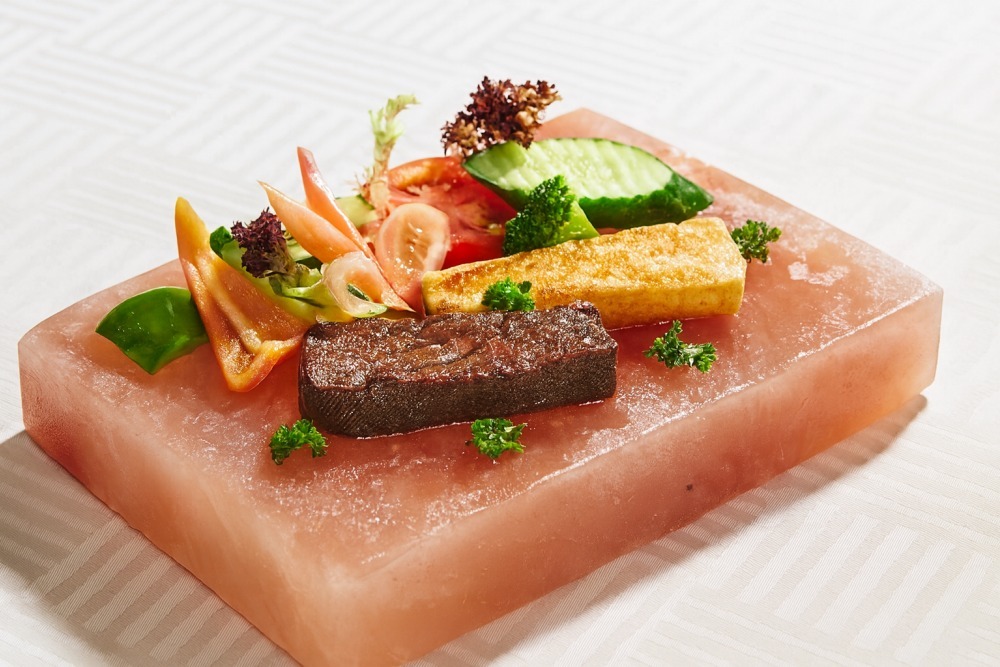
- Serving food on Himalayan salt blocks
- Creating decorative kitchen displays
Its appealing colour also makes it a popular finishing salt for gourmet recipes.
How to Choose the Right Himalayan Salt for Your Kitchen
Selecting quality Himalayan pink salt ensures better flavour and authenticity.
Check the Source
Choose salt obtained from reputable Himalayan rock salt deposits known for producing naturally mined products.
Select the Appropriate Grain Size
- Fine grain for baking and table use
- Medium grain for everyday cooking
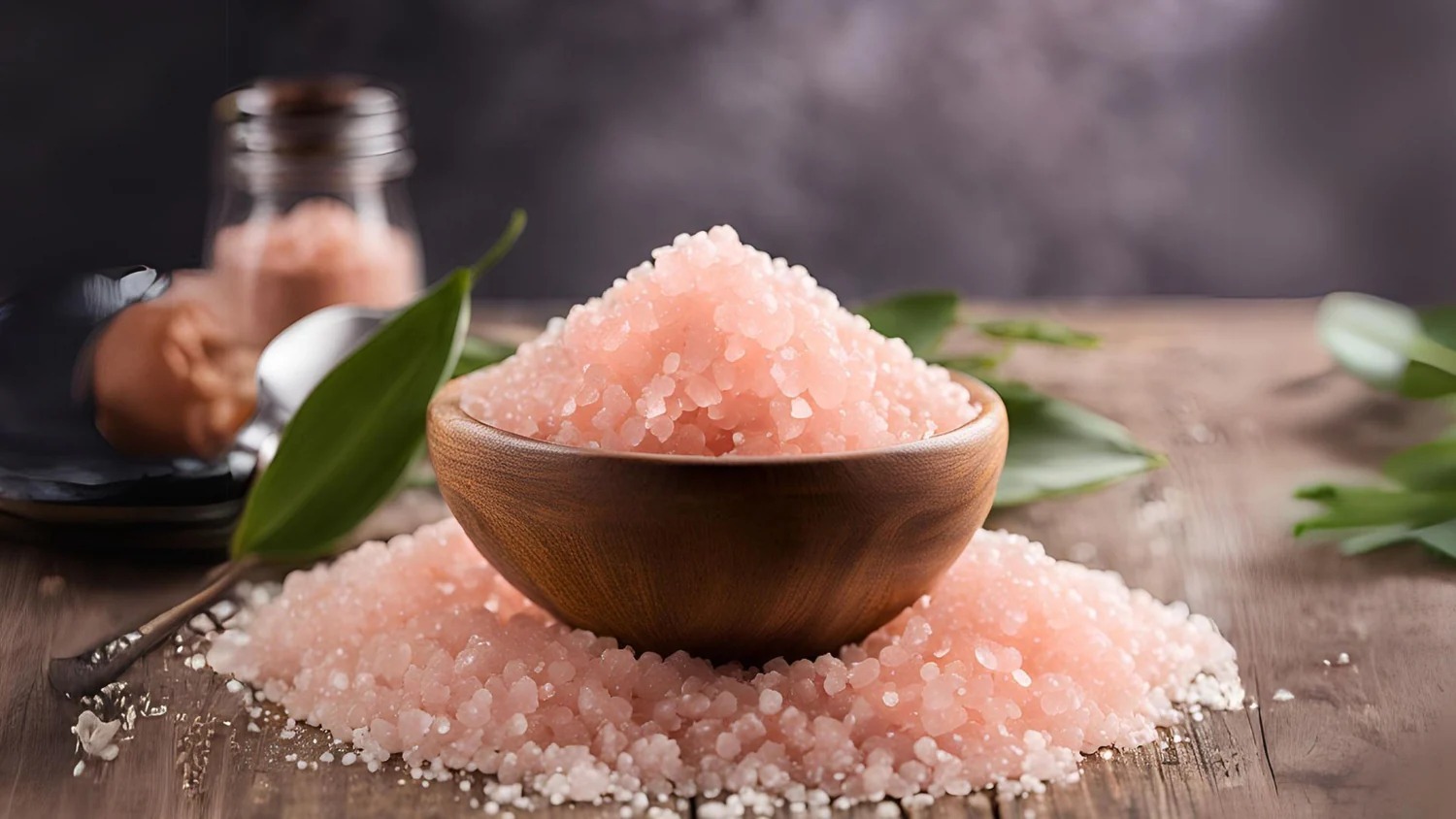
- Coarse grain for grinders and finishing dishes
Look for Minimal Processing
Natural Himalayan salt should not contain artificial colours, bleaching agents, or unnecessary additives.
Examine the Colour
Authentic products usually range from pale pink to darker reddish hues. Colour variations occur naturally because of different mineral concentrations.
Purchase Food-Grade Products
Always ensure the packaging clearly states that the salt is intended for culinary use.
Tips for Using Himalayan Pink Salt
Getting the most from Himalayan pink salt is simple.
- Use it as a finishing salt to preserve texture.
- Store it in a dry, airtight container.
- Adjust seasoning gradually because crystal sizes vary.
- Pair it with fresh herbs and spices for balanced flavour.
- Maintain a healthy diet instead of depending on salt for minerals.
Conclusion
Choosing natural ingredients can enhance both flavour and cooking experiences. Himalayan Pink Salt and Its Essential Minerals for Daily Nutrition highlight the value of this naturally mined seasoning while reinforcing the importance of balanced eating habits. Although it contains trace minerals such as potassium, magnesium, calcium, and iron, these amounts are too small to serve as significant nutritional sources. Used in moderation as part of a varied diet, Himalayan pink salt offers a natural way to season meals while adding colour, texture, and distinctive taste to everyday cooking.
FAQs
- Is Himalayan pink salt healthier than regular table salt?
Himalayan pink salt contains trace minerals and is less processed, but both are primarily composed of sodium chloride and should be consumed in moderation. - Does Himalayan pink salt provide essential minerals?
Yes, it naturally contains potassium, magnesium, calcium, iron, and other trace elements, though the amounts are too small to meet daily nutritional needs. - Can Himalayan pink salt replace table salt?
Yes, it can be used as a substitute in cooking and seasoning, depending on your flavour and texture preferences. - Why is Himalayan salt pink?
Its pink colour comes mainly from naturally occurring iron oxide along with other trace minerals. - Which grain size is best for everyday cooking?
Medium-grain Himalayan pink salt is suitable for most everyday cooking, while fine salt works well for baking and coarse salt is ideal for grinders. - How should Himalayan pink salt be stored?
Store it in a cool, dry place inside an airtight container to protect it from moisture.