Losing weight is often associated with strict diets, intense workouts, and complicated meal plans. As people search for simpler approaches, natural ingredients such as Himalayan pink salt have gained attention. This attractive pink-colored seasoning is widely used in cooking and wellness routines, but can it actually support a healthier body weight?
Himalayan pink salt for weight loss is a popular topic because of claims surrounding minerals, hydration, digestion, and metabolism. However, it is important to separate genuine nutritional facts from exaggerated wellness promises. Himalayan salt can add flavor to meals, but it should not be considered a magic ingredient capable of burning body fat.
What Is Himalayan Pink Salt?
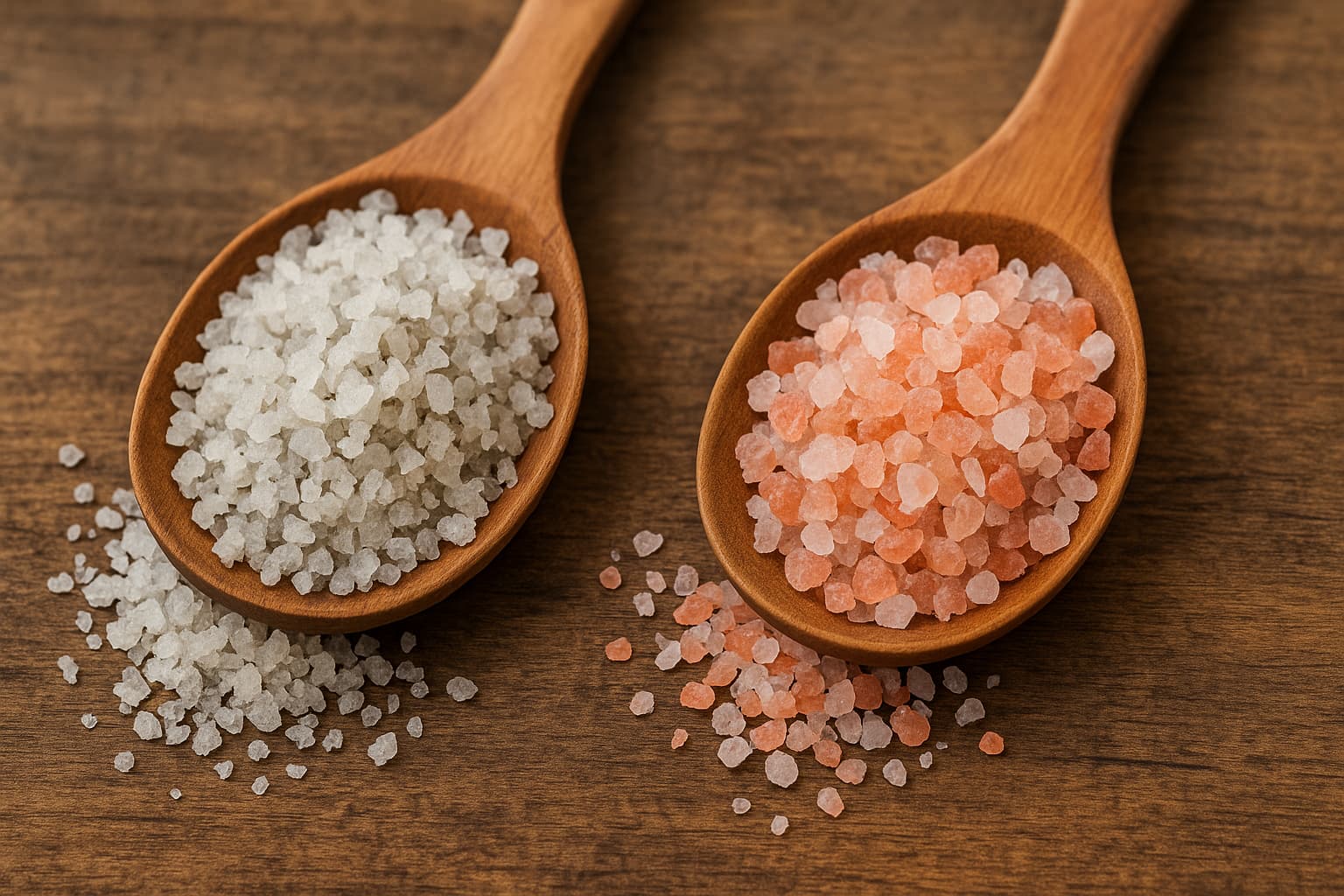
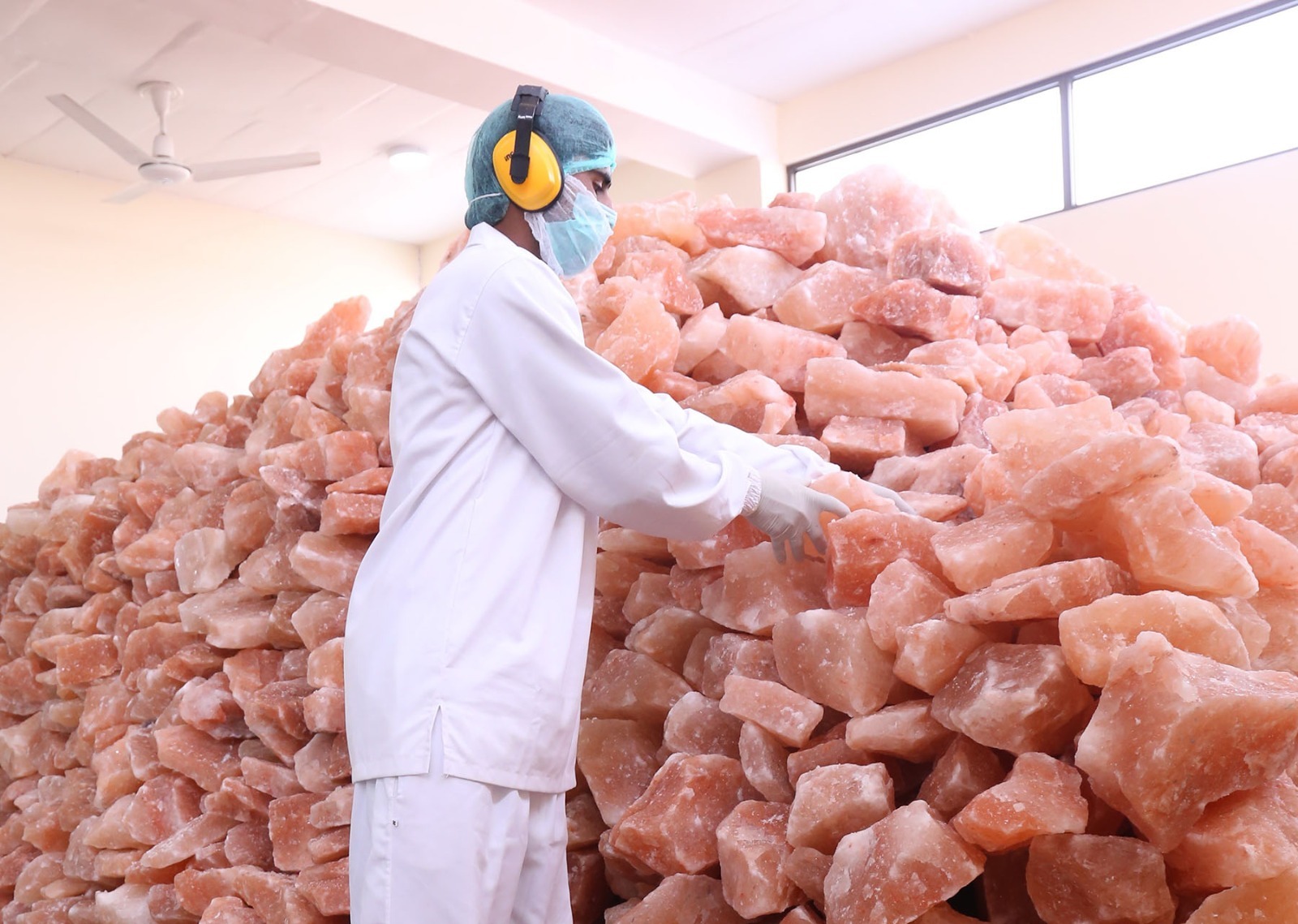
Himalayan pink salt is a naturally occurring mineral salt commonly mined in Pakistan. Its distinctive color comes from small quantities of minerals and other compounds present in the salt. Compared with highly refined table salt, it generally undergoes less processing and contains trace amounts of minerals such as potassium, calcium, magnesium, and iron.
Despite these differences, pink salt remains primarily sodium chloride. The presence of trace minerals does not make it a fat-burning food. In practical dietary terms, the amount of these additional nutrients is relatively small.
Can Himalayan Salt Help With Weight Management?
There is no strong scientific evidence showing that consuming Himalayan pink salt directly causes fat loss. Body weight is influenced by several factors, including calorie intake, physical activity, sleep, stress, genetics, hormones, and overall dietary habits.
Using pink salt instead of another type of salt may change the flavor or texture of a meal, but it does not create a significant difference in weight-loss potential. The American Heart Association notes that different salts, including Himalayan varieties, generally contain similar amounts of sodium, making total sodium consumption more important than the type of salt selected.
For sustainable results, focus on nutritious foods, appropriate portions, regular movement, sufficient sleep, and habits that can realistically be maintained over time.
Himalayan Salt Water and Weight Loss
One trend involves mixing Himalayan salt with water and drinking the resulting solution, sometimes called “sole water.” Supporters may claim that this beverage improves hydration, boosts energy, supports digestion, or encourages weight reduction.
However, these claims should be approached cautiously. Cleveland Clinic reports that adding salt to water does not provide measurable health benefits for most people, while excessive sodium may create health concerns.
Drinking salty water may also cause temporary water retention. This can make the number on the weighing scale fluctuate without representing actual fat loss. Excess sodium can pull additional fluid into the bloodstream and contribute to bloating or puffiness.
Therefore, replacing plain water with a salty beverage is not a recommended weight-management strategy.
A Better Way to Use Pink Salt
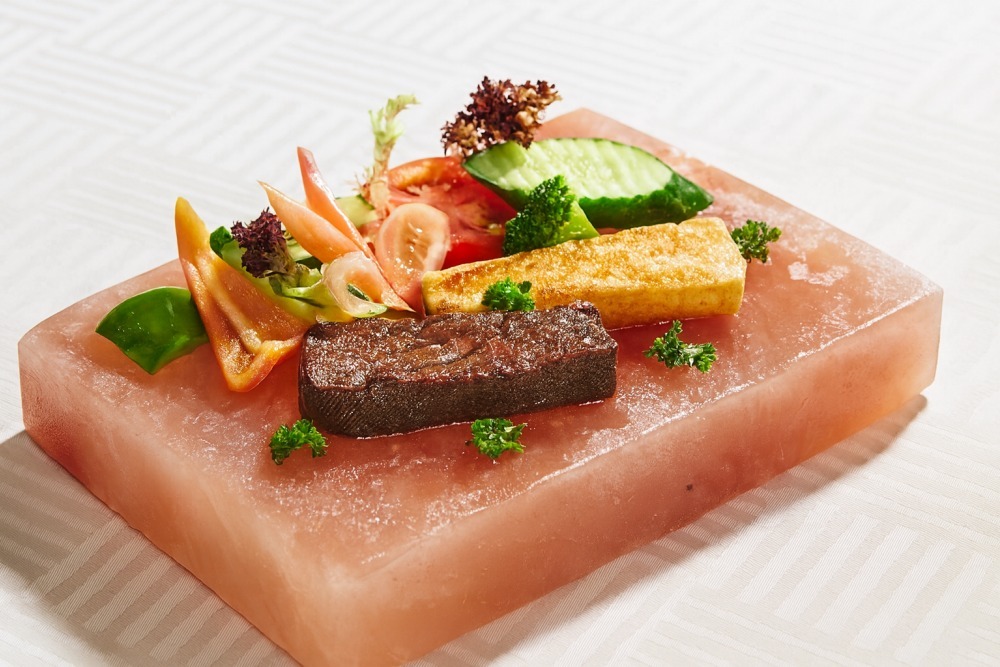
If you enjoy Himalayan salt, you can use a modest quantity as part of balanced meals. Its pleasant flavor can enhance vegetables, salads, soups, eggs, grilled foods, and homemade dishes.
The key is moderation. Rather than adding extra salt to drinks or meals because of weight-loss claims, consider reducing highly processed foods that often contain substantial amounts of sodium. Preparing food at home can make it easier to control both salt and calorie intake.
You can also experiment with herbs and spices such as garlic, ginger, black pepper, cumin, coriander, paprika, lemon, and chili to create flavorful meals without relying heavily on salt.
Important Sodium Considerations
Sodium is an essential nutrient. Your body uses it for fluid balance, nerve signaling, and muscle function. Nevertheless, most people do not need large quantities. The American Heart Association recommends no more than 2,300 milligrams of sodium per day for most adults, with an ideal target of 1,500 milligrams for many adults, particularly when advised for cardiovascular health.
Consistently consuming excessive sodium may contribute to high blood pressure and increase cardiovascular and kidney-related risks.
People with high blood pressure, kidney problems, or other medical conditions should be especially careful about increasing salt intake and should discuss individual dietary requirements with a qualified healthcare professional.
Healthy Strategies for Sustainable Weight Loss
Instead of relying on a single ingredient, create a complete lifestyle approach. Include vegetables, fruits, whole grains, lean protein sources, legumes, nuts, and healthy fats in appropriate portions. Regular physical activity can complement dietary improvements and help maintain muscle while supporting energy expenditure.
Limiting sugary beverages, heavily processed foods, excessive portions, and frequent high-calorie snacks can also make weight management easier. The American Heart Association’s current dietary guidance emphasizes vegetables and fruits, whole grains, healthier protein and unsaturated fats, while recommending reduced sodium and added sugar.
Most importantly, avoid expecting rapid results from one food or drink. Healthy weight management is generally more successful when changes are gradual, practical, and consistent.
Conclusion
Himalayan pink salt for weight loss may sound appealing, but current evidence does not establish pink salt as a fat-burning ingredient or a reliable weight-loss aid. Its trace minerals and natural appearance make it an attractive culinary choice, yet its primary nutritional component remains sodium.
You can enjoy Himalayan salt in moderation as part of a balanced diet, but drinking concentrated salt water or increasing sodium intake is not a shortcut to losing body fat. A nutritious eating pattern, regular exercise, adequate sleep, hydration, and sustainable lifestyle habits remain much more meaningful foundations for healthy weight management.
FAQs
- Does Himalayan pink salt burn fat?
No. There is no strong evidence that Himalayan pink salt directly burns body fat or produces meaningful weight loss.
- Can Himalayan salt water reduce weight?
Salt water is not a proven weight-loss drink. Excess sodium may encourage fluid retention, which can temporarily increase rather than decrease scale weight.
- Is Himalayan pink salt healthier than table salt?
Himalayan salt contains trace minerals and is generally less processed, but its sodium content is broadly similar to other salts. The quantity consumed matters most.
- Can I use Himalayan salt while dieting?
Yes. You can use a small amount to season balanced meals while keeping your overall sodium intake within recommended limits.
- What is more effective for weight loss?
A balanced eating pattern, sensible portions, regular physical activity, adequate sleep, and consistent long-term habits are more reliable approaches than relying on a particular type of salt.