Introduction
Proper nutrition is the foundation of healthy livestock and sustainable farming. Farmers are increasingly moving toward natural feeding solutions, and Himalayan Rock Salt for Livestock Nutrition has emerged as one of the most effective options. This natural mineral source supports animal health, improves productivity, and reduces reliance on synthetic supplements.
With growing awareness of animal welfare and farm efficiency, Himalayan salt is becoming a preferred choice across livestock industries.
Importance of Minerals in Livestock Health
Livestock require a balanced intake of essential minerals to maintain bodily functions, growth, and reproduction. Mineral deficiencies can lead to serious health issues and decreased productivity.
Key Benefits of Mineral Intake:
- Supports digestion and nutrient absorption
- Strengthens bones and muscles
- Improves immune system performance
- Regulates hydration and electrolyte balance
Using Himalayan Rock Salt ensures animals receive these essential nutrients naturally.
Why Himalayan Rock Salt is Ideal
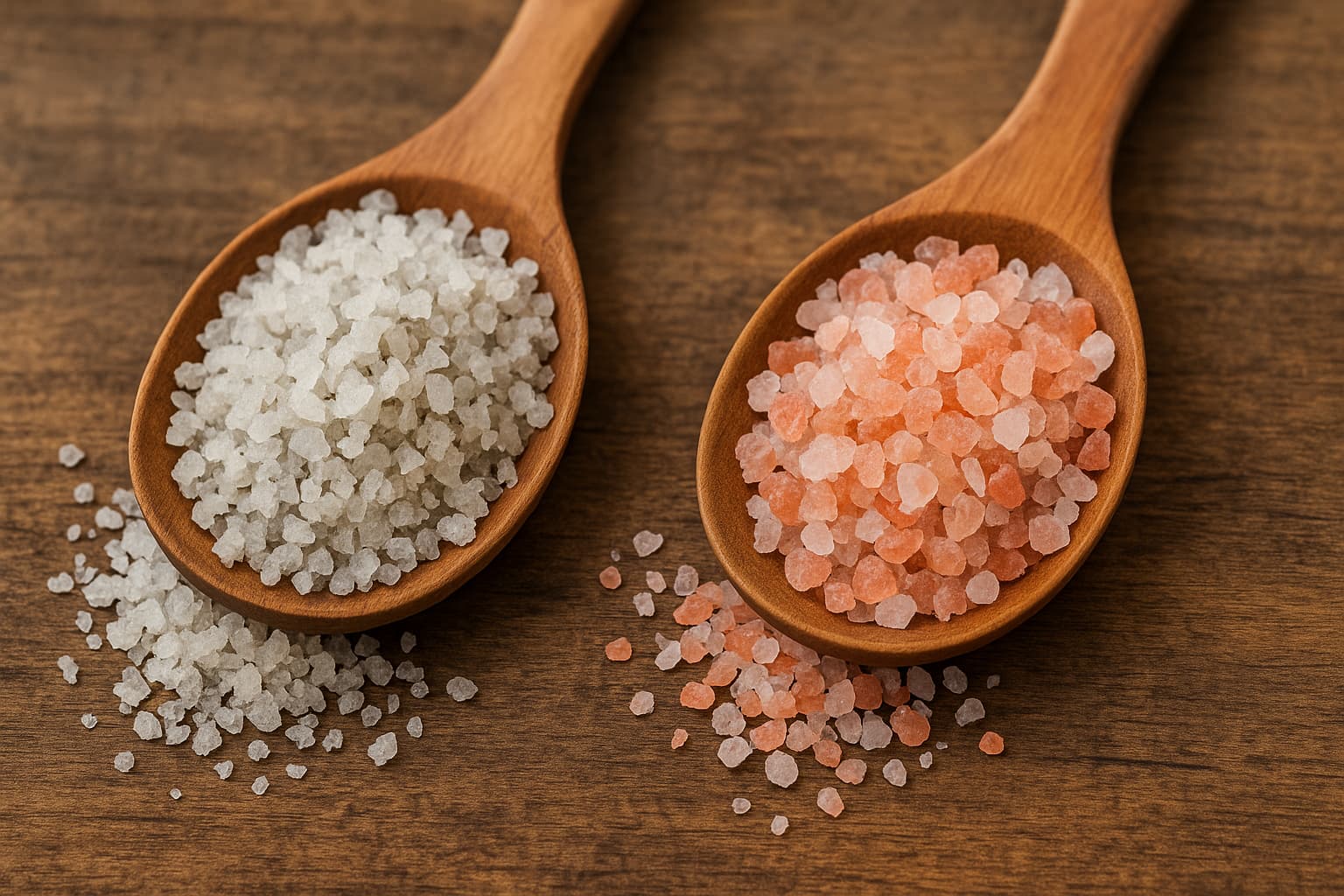
Himalayan rock salt is extracted from ancient deposits and remains free from industrial processing. This makes it a cleaner and more natural option compared to regular salt.
Advantages for Farmers:
- Contains essential trace minerals
- Free from harmful additives
- Long-lasting and durable salt blocks
- Suitable for multiple animal types
Farmers prefer it because animals naturally regulate their intake, reducing the risk of overfeeding.
Forms Available for Livestock Use
Himalayan salt is available in different forms, making it versatile for farm use.
Common Options:
- Salt licks (blocks) for free consumption
- Crushed salt for mixing in feed
- Granulated salt for controlled feeding
Salt licks are particularly effective as they mimic natural animal behavior.
Impact on Productivity and Farm Efficiency
The use of Himalayan Rock Salt directly contributes to improved farm output and profitability.
Productivity Benefits:
- Higher milk production in dairy animals
- Improved weight gain in meat-producing livestock
- Better fertility and reproduction rates
- Reduced veterinary costs
These benefits make Himalayan salt a cost-effective solution for long-term farming success.
Sustainability and Natural Feeding
Modern farming is moving toward sustainable and eco-friendly practices. Himalayan salt aligns with this shift by offering a natural alternative to chemical supplements.
Sustainability Benefits:
- Environmentally friendly sourcing
- Reduced dependency on synthetic additives
- Long-lasting product with minimal waste
This makes it an ideal choice for responsible farming.
Conclusion
Incorporating Himalayan Rock Salt into feeding systems is a practical and sustainable approach. It improves animal health, enhances productivity, and supports natural farming practices, making it an essential component of modern livestock management.
FAQs
Q1: Is Himalayan salt safe for all animals?
Yes, it is suitable for cattle, goats, sheep, and horses.
Q2: How is it used on farms?
It is provided as salt licks or mixed into feed.
Q3: Does it improve productivity?
Yes, it supports better digestion, health, and performance.