Himalayan pink salt has become a familiar name in kitchens, restaurants, food stores, and international markets. Recognized for its attractive rosy color and natural crystal structure, this rock salt is used for seasoning, cooking, food presentation, and a variety of specialty products. Yet many consumers and businesses are curious about its true geographical origin.
Where does best Himalayan pink salt comes from? Despite the word “Himalayan,” the famous pink rock salt is primarily associated with Pakistan’s Salt Range in Punjab. The region contains extensive ancient salt formations, with the Khewra area being particularly renowned for its deposits.
Understanding the source of this distinctive mineral helps buyers appreciate its history, geological formation, and journey from underground deposits to finished products.
The Geological Story Behind Pink Salt
The origin of Pakistani pink salt goes back hundreds of millions of years. Geological evidence indicates that the Salt Range contains ancient evaporite formations created when restricted marine environments experienced significant evaporation. Salt and other minerals accumulated, were buried, and later became part of the geological structures visible in northern Punjab.
Over immense periods, tectonic activity associated with the formation of the Himalayan region altered the landscape. The ancient salt-bearing layers became incorporated into the Salt Range, creating the deposits that are mined today.
This extraordinary geological history is one reason Pakistani rock salt has such a distinctive identity.
The Salt Range of Punjab
The Salt Range stretches across northern Punjab and is famous for its substantial deposits of rock salt. It includes several important mining areas, making it a significant source of Pakistan’s salt production.
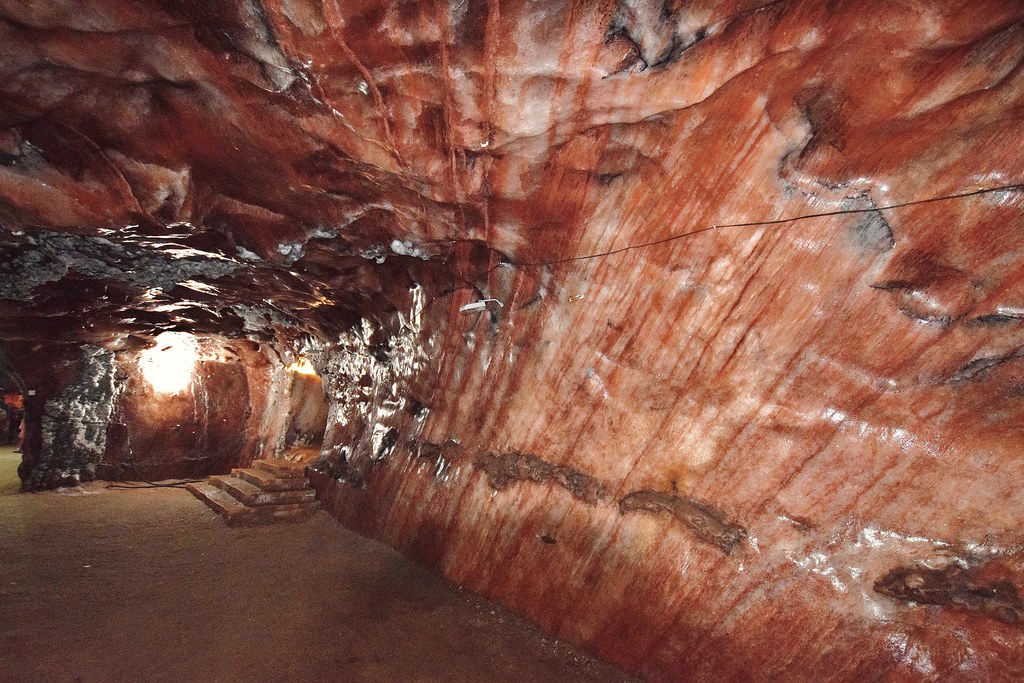
The region’s salt formations can contain different shades, including transparent white, pink, and reddish varieties. Pakistan Mineral Development Corporation lists Khewra among its salt mines and reports white, pink, and red shades from its deposits.
The natural variation in appearance means that pink salt is not necessarily identical from one deposit or crystal to another. Color can depend on the geological composition of the particular material.
Khewra: A Famous Source
Khewra is arguably the most recognizable name associated with Pakistani Himalayan pink salt. Located in Jhelum District, Punjab, the Khewra Salt Mine is situated within the Salt Range and is well known for its rock-salt deposits. UNESCO’s tentative-list documentation identifies the Salt Range and Khewra Salt Mine as an important geological and cultural site in Pakistan.
The Pakistan Mineral Development Corporation describes Khewra as a major salt-mining operation, using room-and-pillar extraction and producing different natural shades of salt.
Because of its geological significance and long association with salt production, Khewra has become strongly connected with the global identity of Pakistani pink salt.
Why Is Himalayan Salt Pink?
The characteristic pink shade is created by naturally occurring materials within the salt-bearing geological layers. Trace components can give crystals subtle pink, reddish, or orange tones.
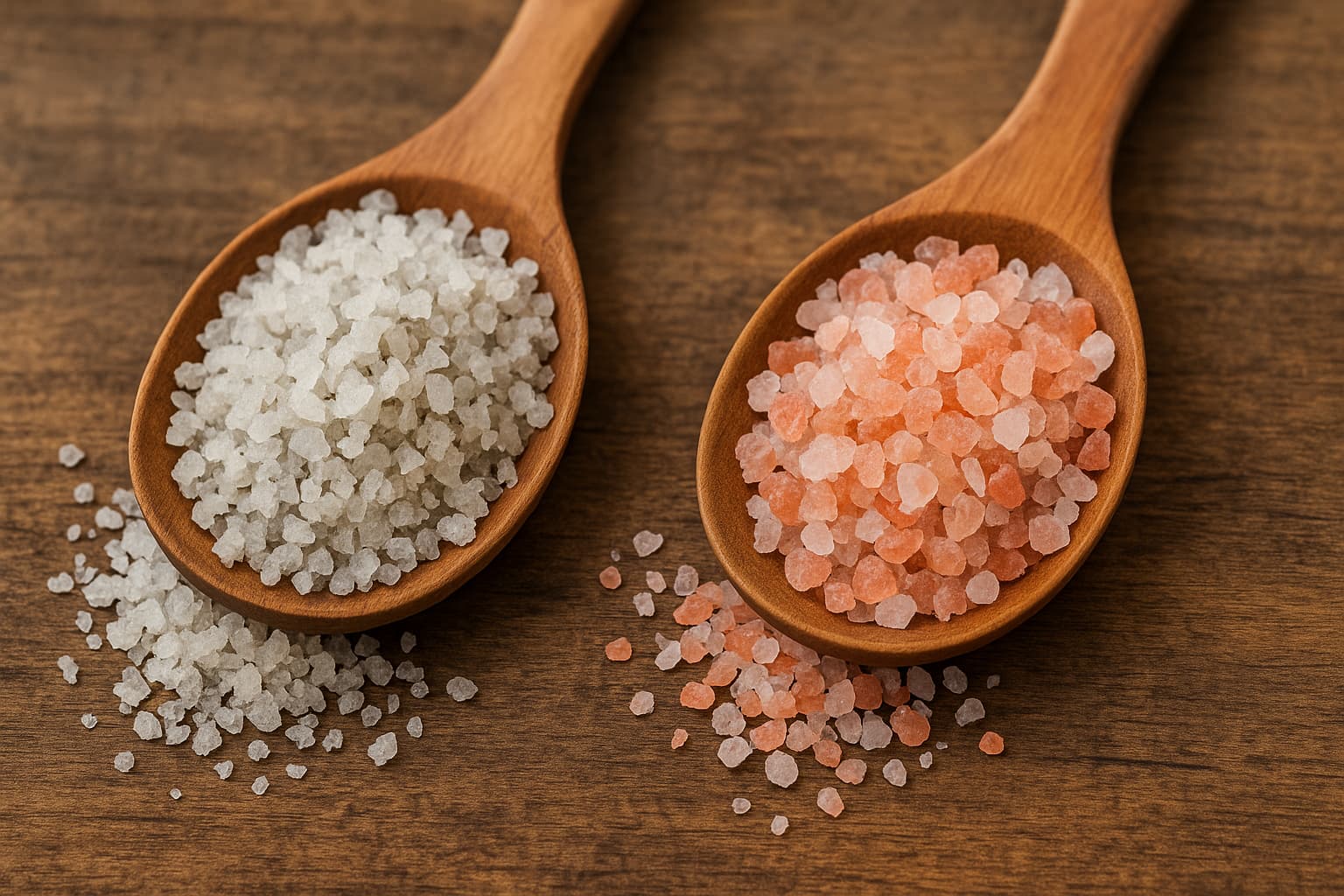
Not every piece will have exactly the same color. Some crystals may appear almost white, while others display stronger pink or red coloration. This natural variation is one of the features that makes rock salt visually distinctive.
It is important, however, not to confuse attractive coloration with automatically superior nutritional value. Himalayan salt remains primarily sodium chloride and should be used appropriately as part of a balanced diet.
From Mine to Market
Extracting salt from an underground deposit is only the beginning of its commercial journey. Once rock salt is mined, it can be sorted and processed according to its intended application.
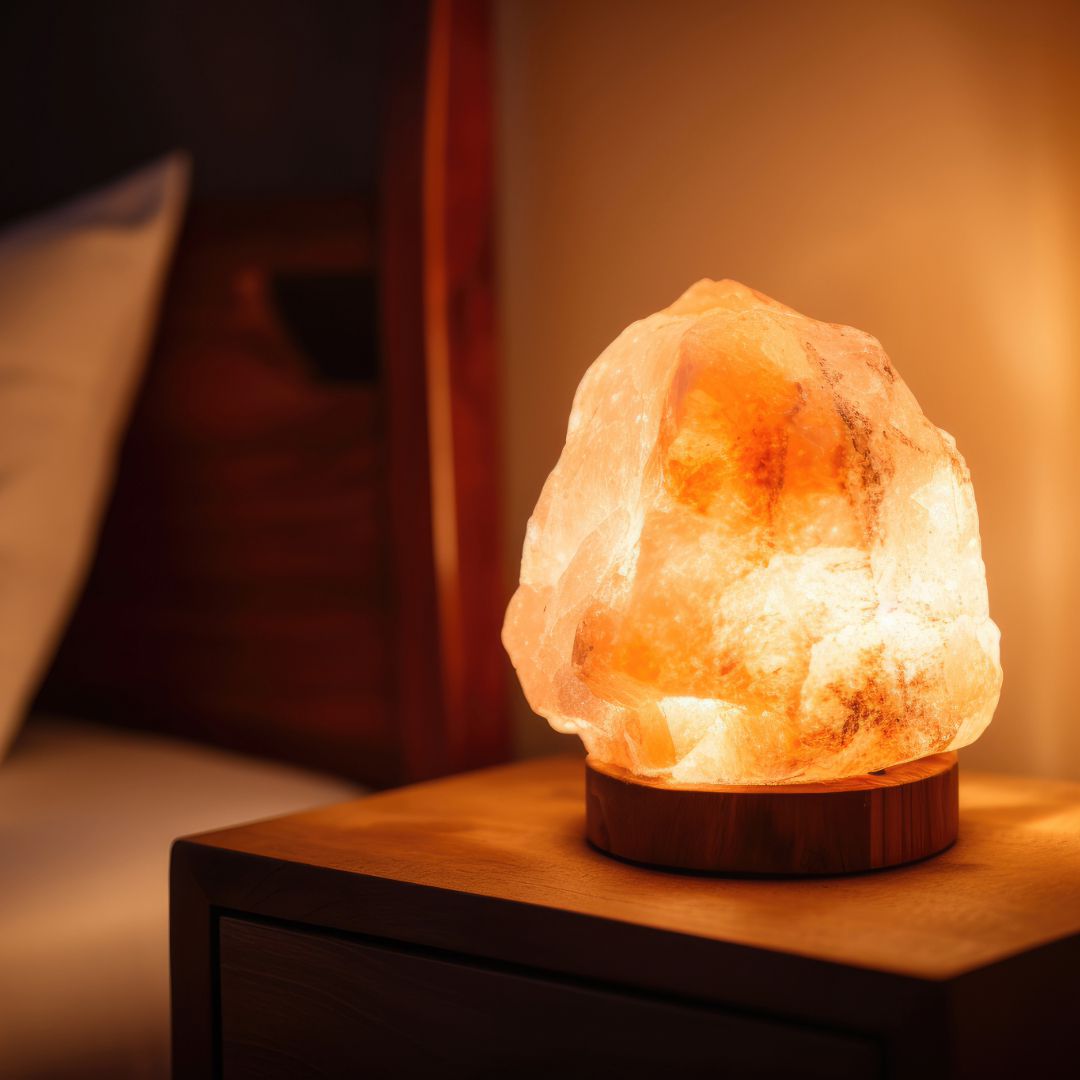
Food manufacturers and retailers may require different crystal sizes. Fine grains are convenient for everyday cooking, while coarse crystals can be used as finishing salt. Larger pieces may be shaped into blocks, slabs, or decorative products.
Processing requirements can therefore vary considerably. A reputable supplier should be able to explain whether a particular product is intended for culinary, industrial, decorative, or other applications.
What Makes High-Quality Pink Salt?
The quality of Himalayan pink salt should not be judged by color alone. Several factors can influence the suitability of a product, including source, cleanliness, grading, processing, storage, and packaging.
For edible applications, buyers should select salt specifically prepared and marketed as food grade. Consistent particle size can also be important for commercial users because it affects handling, packaging, and culinary performance.
Good packaging is another consideration. Salt can absorb moisture from its surroundings, potentially affecting its texture and flow. Appropriate storage and packaging help preserve the material during transportation and distribution.
Why Authentic Sourcing Matters
As international demand for pink salt has grown, the importance of transparent sourcing has also increased. Buyers may encounter products described simply as “Himalayan salt,” making it useful to ask where the raw material was extracted.
For businesses purchasing in bulk, documentation, product specifications, quality controls, and reliable supply are particularly important. A dependable supplier should be able to communicate clearly about origin, grade, crystal size, packaging, and intended use.
Genuine Pakistani sourcing gives businesses an opportunity to connect their products with one of the world’s best-known natural rock-salt regions.
Pakistan’s Global Salt Heritage
Pakistan’s Salt Range represents more than a source of a popular culinary ingredient. It is a significant geological resource with a long history of extraction and commercial use.
The combination of ancient deposits, distinctive coloration, multiple grades, and established mining operations has helped Pakistani rock salt reach consumers around the world. The country’s mining industry continues to produce substantial quantities of salt from locations across the Salt Range.
For exporters and manufacturers, this natural resource provides opportunities to develop products ranging from edible crystals to specialty salt items.
Where does best Himalayan pink salt comes from?
When people search for the finest Himalayan pink salt, Pakistan’s Salt Range is the key geographical region to know. Khewra is one of its most famous sources, but it is not the only salt-producing location in the wider region. Other mines also contribute white and pink rock salt to Pakistan’s supply.
Ultimately, “best” depends on the intended purpose. A restaurant may prefer a particular crystal size and appearance, while a food manufacturer may prioritize consistent specifications and dependable bulk supply. Retail consumers may value attractive grains and convenient packaging.
Therefore, quality is determined by more than location. Authentic origin, appropriate processing, careful grading, cleanliness, packaging, and responsible handling all contribute to a dependable finished product.
Conclusion
Pakistan’s Salt Range is the renowned home of the pink rock salt commonly marketed around the world as Himalayan pink salt. Within this region, Khewra has achieved particular recognition because of its extensive salt deposits and longstanding mining heritage.
The story of this mineral began hundreds of millions of years ago with ancient evaporite deposits. Geological forces subsequently shaped the region, preserving the salt formations that are mined today.
For consumers and commercial buyers, understanding this origin can make it easier to evaluate products and suppliers. Rather than choosing solely on appearance or marketing claims, look for clear sourcing, suitable grades, food-safe processing where applicable, consistent quality, and reliable packaging.
From the underground formations of Punjab to kitchens and markets worldwide, Pakistani pink salt carries a distinctive geological story—and that natural heritage is an important part of its enduring global appeal.
FAQs
- Where does the best Himalayan pink salt come from?
The most famous source is Pakistan’s Salt Range in Punjab, particularly the Khewra area. Other mines within the wider region also produce white and pink rock salt.
- Is Himalayan pink salt actually mined in the Himalayas?
The pink salt commonly sold as Himalayan salt is primarily mined in Pakistan’s Salt Range, south of the main Himalayan mountain system.
- Why is Khewra Salt Mine famous?
Khewra is a major historic salt-mining site in Jhelum District, Punjab, and is renowned for its extensive rock-salt deposits.
- What gives Himalayan salt its pink color?
Its coloration comes from naturally occurring components and trace materials within the geological salt deposits. Different layers can produce different shades.
- Is all Pakistani pink salt from Khewra?
No. Khewra is a famous source, but Pakistan’s broader Salt Range contains multiple salt-producing areas.
- How can I identify quality Himalayan pink salt?
Consider the stated origin, intended grade, cleanliness, crystal size, processing, packaging, and reputation of the supplier. For culinary use, choose a product specifically intended and prepared for food applications.
- Can Himalayan pink salt be used for cooking?
Food-grade Himalayan rock salt is commonly used for seasoning and cooking. The appropriate grade should always match the intended application.
- Why is Pakistani Himalayan salt popular internationally?
Its distinctive natural color, ancient geological origin, variety of crystal sizes, and broad culinary and commercial applications have contributed to its international popularity.