Himalayan salt lamps have become a popular choice for homes, offices, bedrooms, and wellness spaces. Their warm pink or amber glow creates an attractive atmosphere, making them appealing as decorative lighting. Many sellers also promote these lamps with claims about cleaner air, better sleep, improved mood, and the release of beneficial negative ions.
While these products can be attractive decorative pieces, it is important to understand what they can and cannot do. Scientific evidence does not strongly support the commonly advertised health benefits of salt lamps. Cleveland Clinic notes that there is little evidence that these lamps meaningfully improve air quality, respiratory health, mood, or sleep.
Understanding the Side Effects of Himalayan salt lamps is therefore useful for anyone considering purchasing or using one at home.
What Are Himalayan Salt Lamps?
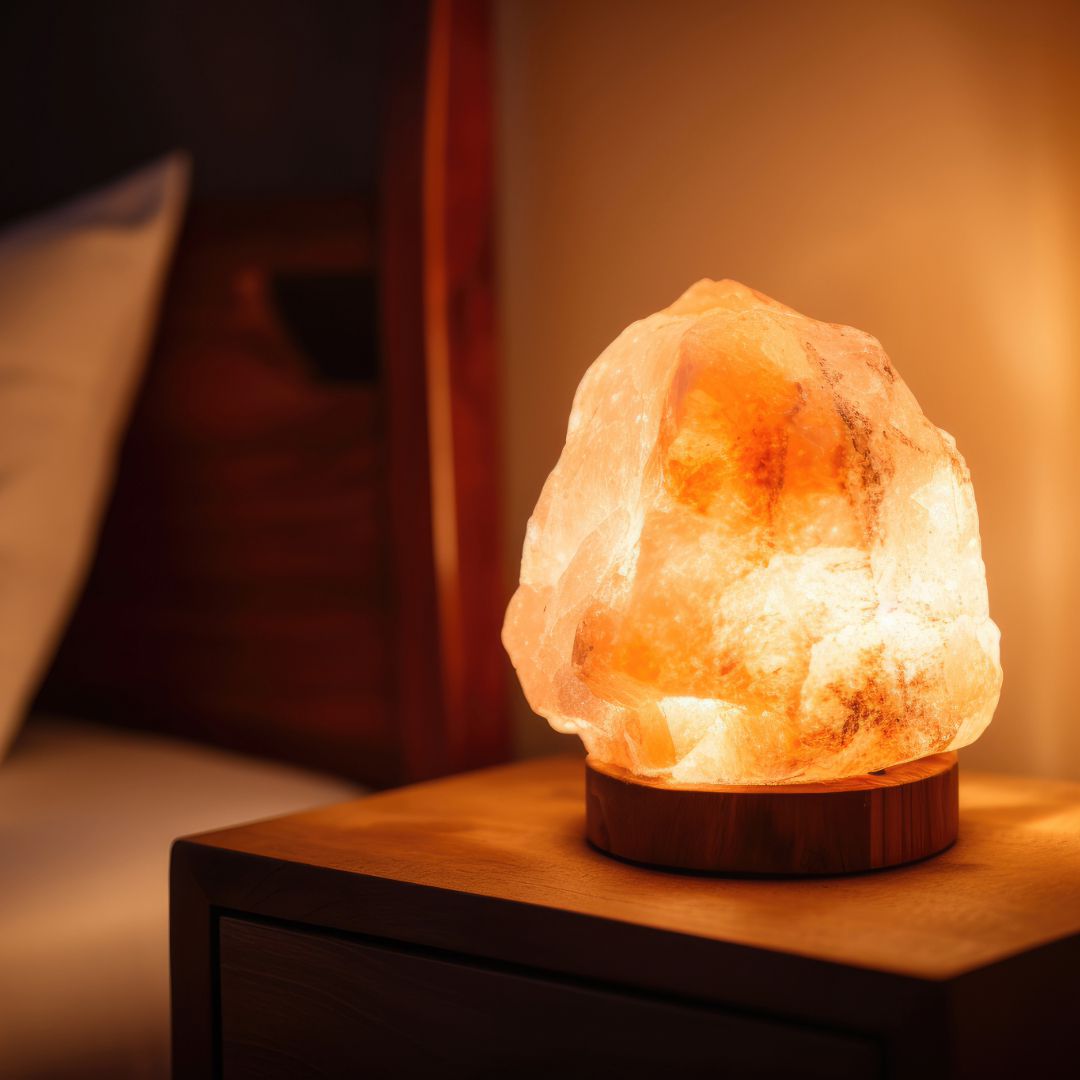
Himalayan salt lamps are generally made from pieces of pink rock salt with a hollow space containing a small bulb or light source. When switched on, the lamp produces a soft, warm-colored glow through the translucent salt.
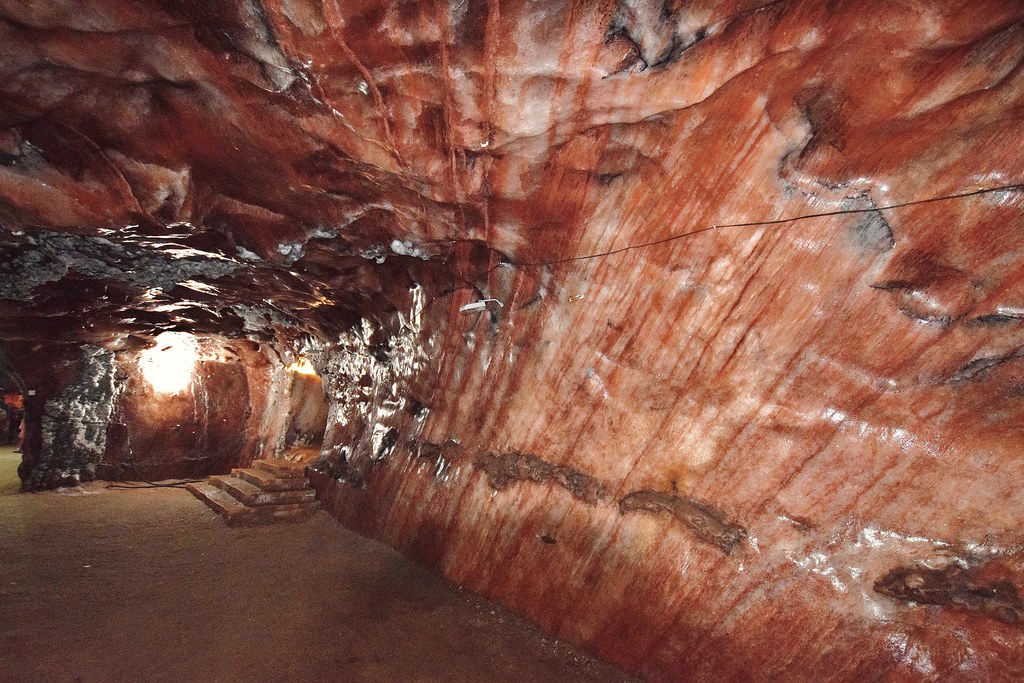
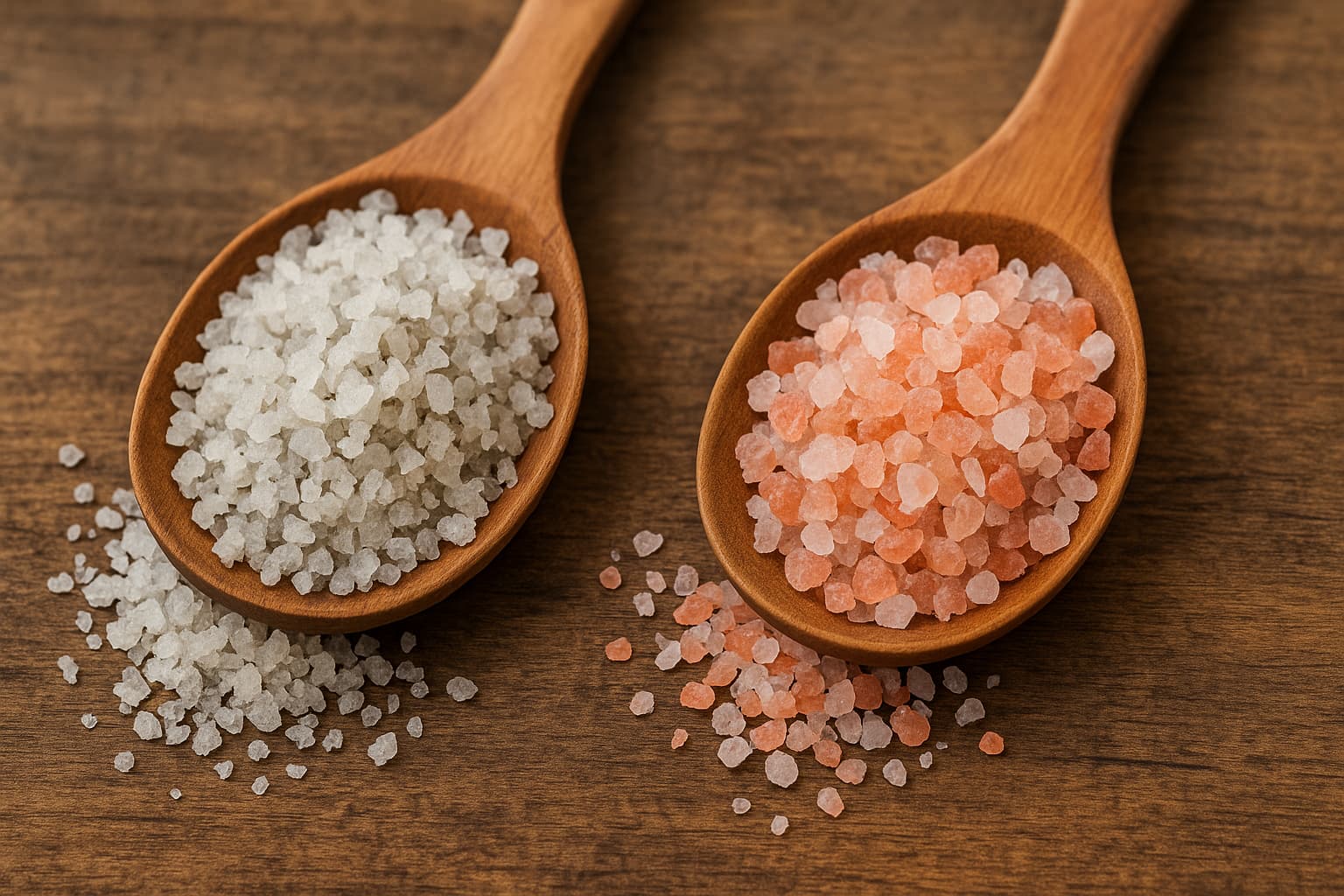
The pink salt used in these products is commonly associated with salt deposits from Pakistan. Because the lamps have a natural appearance and soothing illumination, they are often marketed as wellness products as well as decorative accessories.
However, the presence of natural salt does not automatically provide therapeutic effects. Claims that these lamps remove toxins, purify indoor air, or produce enough negative ions to deliver significant health benefits have not been convincingly demonstrated.
Potential Electrical and Fire Hazards
One of the most important concerns involves the electrical components rather than the salt itself. A salt lamp contains a bulb, socket, wiring, plug, and sometimes a dimmer or switch. Poor-quality components, damaged cords, faulty connections, or overheating can create safety problems.
The U.S. Consumer Product Safety Commission has previously recalled salt lamps because dimmer switches and outlet plugs could overheat and ignite, creating shock and fire hazards. One 2017 recall involved approximately 80,000 rock salt lamps.
Another recall involving salt lamps reported overheating cords that could melt and create a fire hazard.
These incidents do not mean every Himalayan salt lamp is dangerous. Instead, they demonstrate why purchasing a well-made product and inspecting its electrical components is important.
Moisture Can Affect the Lamp
Salt naturally attracts moisture from the surrounding environment. In humid conditions, a Himalayan salt lamp may develop dampness or begin to sweat. This can cause moisture to collect around the base or nearby surface.
Excessive moisture is particularly undesirable when an electrical appliance is involved. A wet or damp cord, plug, socket, or electrical connection can increase the possibility of electrical problems.
For this reason, salt lamps should be placed in dry locations away from sinks, bathrooms, humidifiers, and areas where water can easily splash onto the product.
Risk to Children and Pets
A Himalayan salt lamp may look harmless, but it is still an electrical appliance and can contain a heavy piece of salt. A lamp positioned on an unstable table or shelf could fall if bumped.
Children may also pull on the cord or touch the bulb and surrounding components while the lamp is operating. Pets can similarly knock over an object placed within their reach.
Cleveland Clinic recommends keeping salt lamps where they cannot easily be knocked over and placing them out of reach of children and pets.
A stable, elevated surface can therefore provide a safer setup.
Salt Exposure and Pets
There is another concern for households with pets. Salt itself can be harmful when consumed in excessive quantities. A pet that repeatedly licks a salt lamp could ingest a substantial amount of sodium.
Although individual risks depend on the animal, the amount consumed, and its overall health, it is sensible to prevent pets from licking or chewing the lamp. Keeping the product inaccessible is a simple precaution.
If you suspect that a pet has consumed a significant quantity of salt, contacting a veterinarian promptly is the safest approach.
Do Salt Lamps Improve Indoor Air?
One of the most common claims surrounding Himalayan lamps is that they clean the air by producing negative ions or attracting airborne pollutants.
Current evidence does not establish that ordinary salt lamps generate enough negative ions to provide meaningful air-cleaning effects. Cleveland Clinic specifically notes that the lamps do not produce sufficient quantities to achieve the benefits sometimes claimed in marketing materials.
If indoor air quality is your primary concern, proper ventilation, reducing indoor pollutants, controlling moisture, and using an appropriate air purifier are more practical approaches.
Can They Cause Health Problems?
For most people, simply having a Himalayan salt lamp in a room is not known to cause a specific health condition. The greater concerns relate to product safety, electrical faults, excessive moisture, accidental breakage, and inappropriate placement.
It is also important not to depend on a salt lamp as a treatment for allergies, asthma, respiratory disease, insomnia, depression, or other medical conditions. The available evidence does not establish the lamp as an effective treatment for these conditions.
Anyone experiencing persistent health symptoms should seek advice from an appropriate healthcare professional rather than relying on decorative wellness products.
How to Use a Himalayan Salt Lamp Safely
A few straightforward precautions can make everyday use safer:
- Place the lamp on a sturdy, level surface.
- Keep it away from water and excessive humidity.
- Inspect the power cord, plug, socket, and switch regularly.
- Stop using the product if you notice melting, unusual heat, smoke, sparking, or a damaged cable.
- Keep the lamp away from children and pets.
- Avoid covering the lamp or blocking ventilation around its electrical components.
- Follow the manufacturer’s instructions regarding bulbs and electrical ratings.
- Check relevant product recall information when purchasing second-hand or older models.
If a lamp has a damaged electrical component, repairing it yourself without the necessary expertise may create additional risk.
Conclusion
Side Effects of Himalayan salt lamps are mainly associated with product safety rather than proven harmful effects from the salt itself. These decorative lights can add a beautiful, relaxing glow to an interior, but claims about air purification, negative ions, improved sleep, or other therapeutic benefits remain inadequately supported by scientific evidence.
Electrical safety deserves particular attention because faulty cords, switches, plugs, or other components have been associated with recalls involving overheating, fire, and shock hazards.
For households that enjoy Himalayan salt lamps, sensible placement and regular inspection are key. Keep the lamp dry, stable, and away from children and animals, and discontinue use if any electrical problem develops. Used primarily as decorative lighting rather than a medical device, a quality Himalayan salt lamp can remain an attractive addition to a home while sensible safety practices reduce avoidable risks.
FAQs
- Are Himalayan salt lamps dangerous?
A properly manufactured lamp used correctly is not inherently dangerous, but faulty electrical components can create shock or fire hazards. Previous salt-lamp recalls demonstrate the importance of product quality and inspection.
- Can Himalayan salt lamps make you sick?
There is little evidence that ordinary exposure to a salt lamp causes illness. However, they should not be considered treatments for medical conditions.
- Can salt lamps catch fire?
Electrical components such as plugs, switches, wiring, or dimmers can potentially overheat if defective. Some salt lamps have previously been recalled because of fire hazards.
- Are Himalayan salt lamps safe around pets?
They should be positioned where pets cannot reach, lick, chew, or knock them over. Excessive salt ingestion can be harmful to animals.
- Do Himalayan salt lamps purify air?
There is insufficient evidence that these lamps meaningfully purify indoor air. They should not replace ventilation or suitable air-cleaning equipment.
- Why does my salt lamp become wet?
Salt can attract moisture from humid surroundings, causing the surface to become damp. Keep the lamp in a dry area and away from water sources.
- Should I leave a Himalayan salt lamp on overnight?
If you choose to operate one overnight, use a quality product in good electrical condition and follow the manufacturer’s instructions. Never use a lamp with damaged wiring, overheating components, or other visible faults.
- How can I make a salt lamp safer?
Keep it on a stable, dry surface, inspect the electrical components, maintain distance from children and pets, and stop using it immediately if you notice smoke, sparks, melting, unusual heat, or other signs of electrical failure.