Choosing the ideal mineral-rich seasoning can feel confusing because there are many varieties available today. From fine crystals for cooking to decorative blocks for serving meals, every option has a unique purpose. Understanding the origin, texture, colour, and intended use helps you make a practical decision instead of relying on marketing claims.
This guide explains everything you should know before buying, including the different forms, natural colours, and the qualities that indicate premium-grade products. By the end, you’ll have the knowledge needed to select the most suitable option for your kitchen or lifestyle.
How to Choose the Right Himalayan Salt for Your Needs can help you select the right crystal size, colour, and product type for your kitchen, wellness routine, or presentation style.
What Himalayan Salt Actually Is
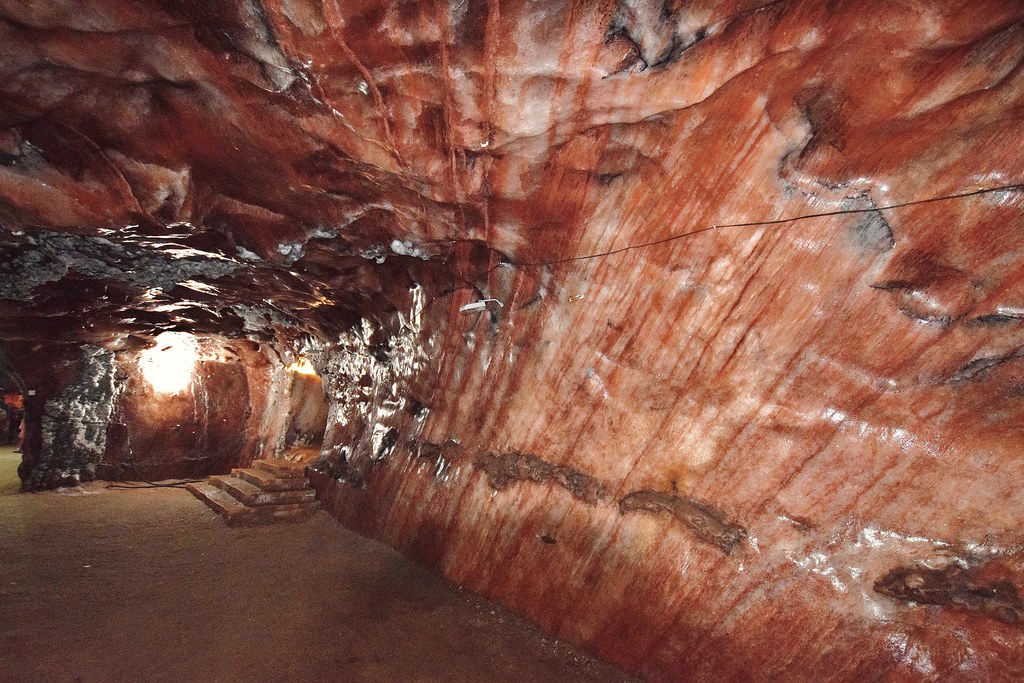
Himalayan salt is a naturally occurring rock salt formed millions of years ago when ancient seas gradually evaporated. Over time, layers of minerals became trapped within these deposits, creating distinctive crystals that are carefully extracted today.
Unlike heavily refined table salt, this mineral-rich alternative usually undergoes minimal processing. It retains naturally occurring trace elements that contribute to its unique appearance and subtle flavour.
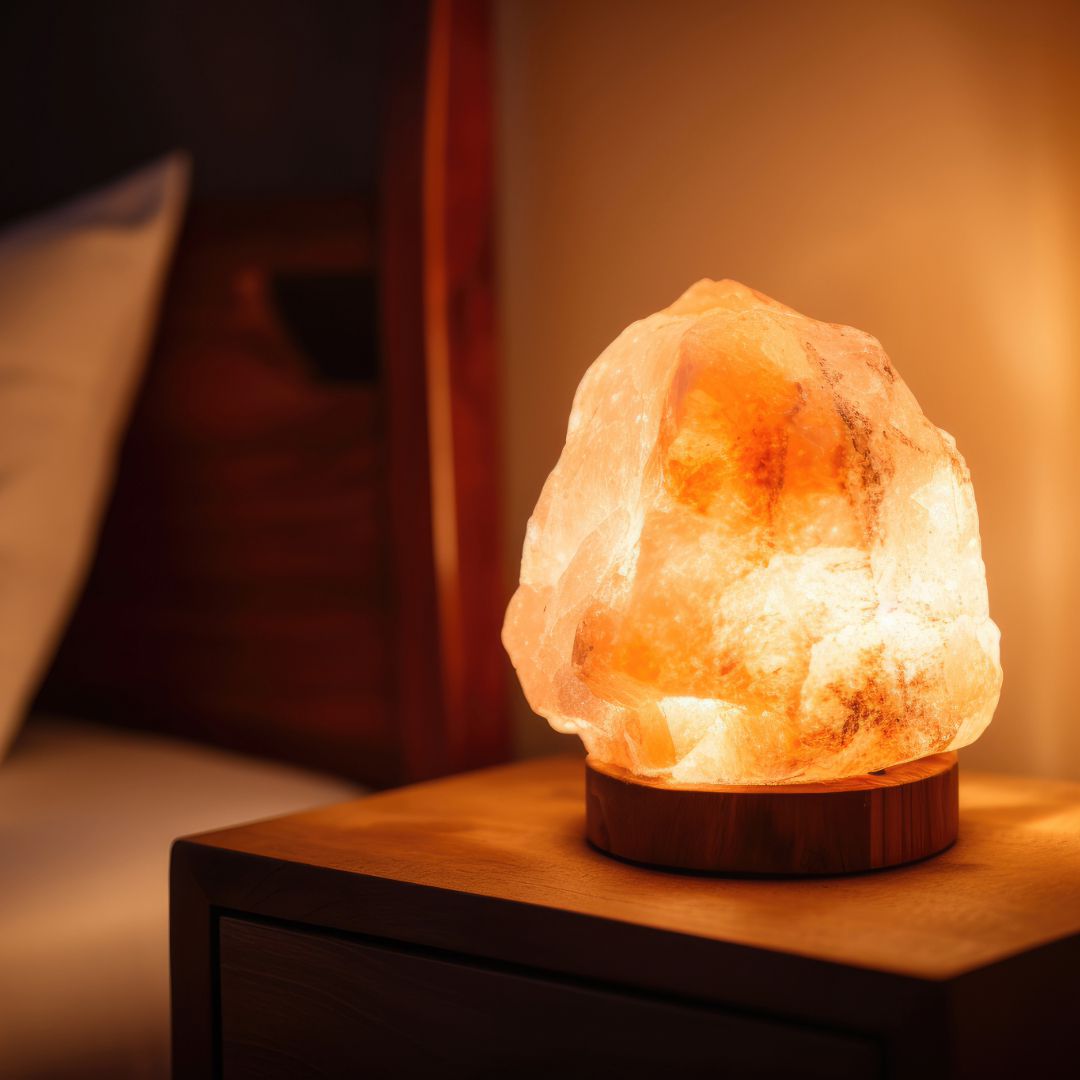
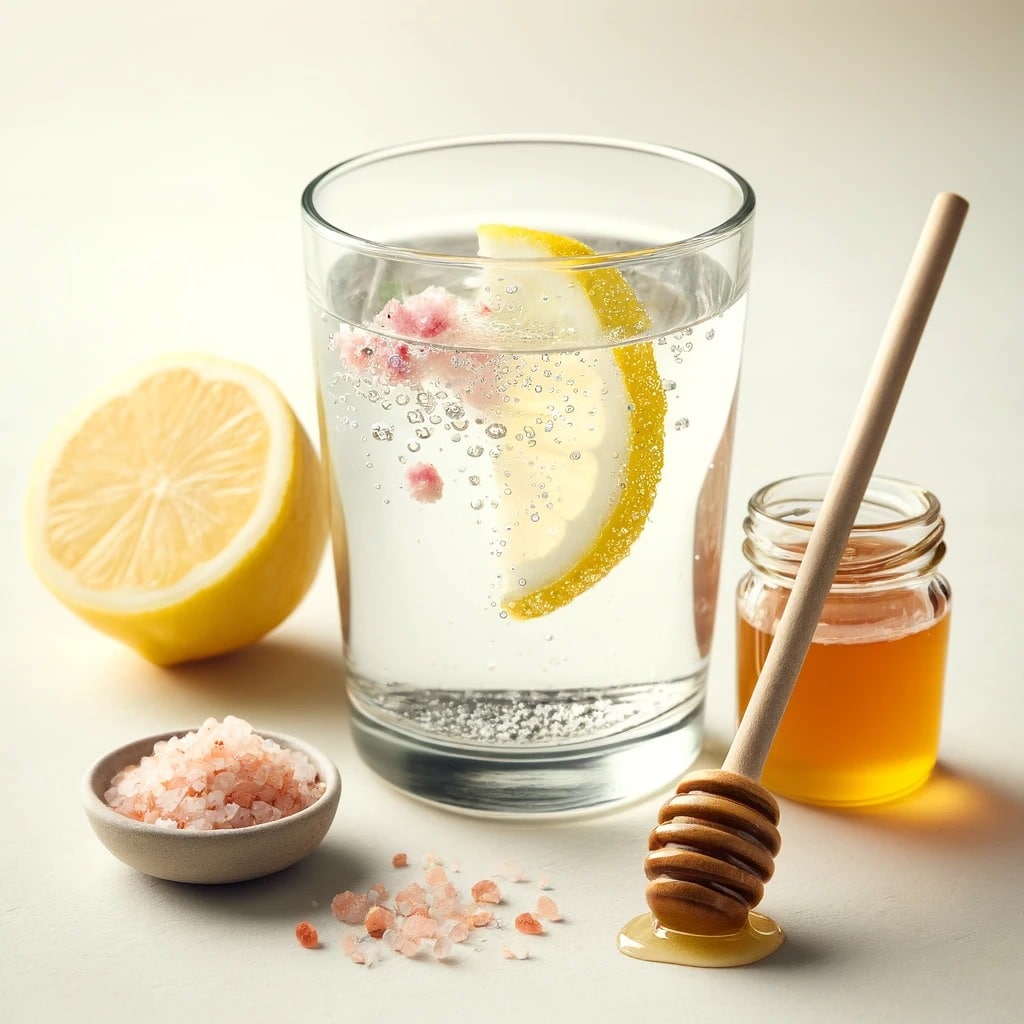
Many people appreciate it for cooking, seasoning, preserving food, grilling on salt slabs, spa treatments, and decorative home products. Although it contains trace minerals, nutrition experts generally agree that it should not be viewed as a major source of dietary minerals because the quantities are relatively small.
Its clean taste and natural origin make it a popular ingredient in homes and professional kitchens worldwide.
Types of Himalayan Salt
Selecting the correct variety depends entirely on how you plan to use it. Each form offers different benefits.
Fine Grain
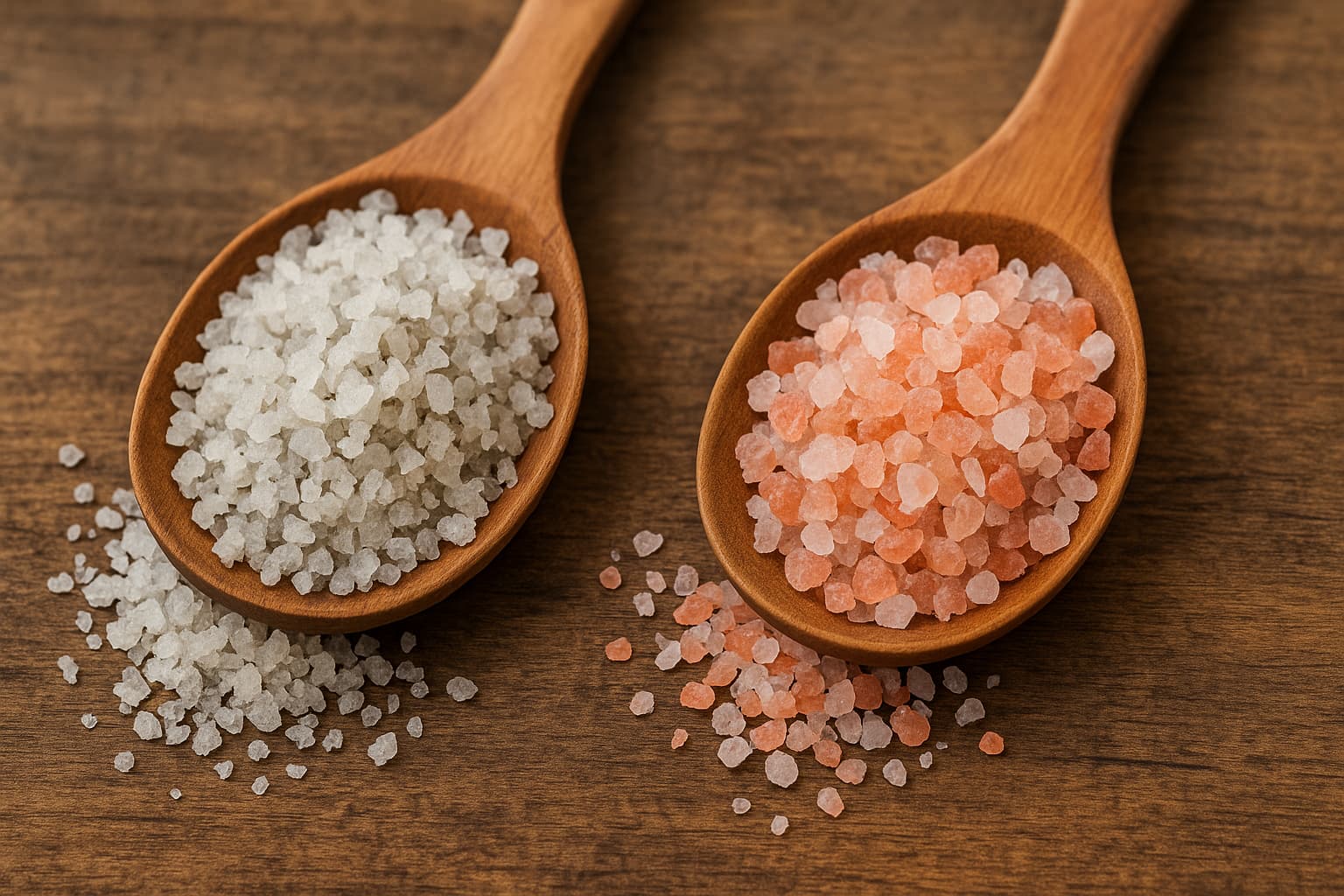
Fine crystals dissolve quickly, making them perfect for everyday cooking, baking, soups, sauces, and salad dressings. They blend evenly into recipes without changing texture.
Coarse Grain
Larger crystals are excellent for seasoning grilled meats, vegetables, seafood, and roasted dishes. They also work well in refillable salt grinders.
Extra Coarse Crystals
These larger pieces are commonly used for decorative grinders, food preservation, and specialty cooking techniques where slower dissolution is preferred.
Salt Blocks
Thick slabs are designed for grilling, serving chilled desserts, preparing sushi, or presenting appetizers. They add an elegant touch while lightly seasoning food.
Bath Salt
Specially prepared crystals intended for bathing create a relaxing spa experience. These products are not suitable for cooking because they are manufactured specifically for external use.
Understanding these options helps you purchase the most practical product instead of buying one that doesn’t match your intended purpose.
Different Himalayan Colours
One of the most fascinating characteristics of this natural mineral is its range of beautiful shades. These colours develop naturally because of varying mineral compositions within the ancient deposits.
Light Pink
This is the most common variety found in supermarkets and online stores. Its soft appearance makes it suitable for daily culinary use.
Deep Pink
A richer pink shade often contains a slightly higher concentration of naturally occurring minerals, giving it a more vibrant appearance.
White
White crystals contain fewer visible mineral pigments while still offering a clean, mild flavor suitable for many recipes.
Red
Rare red varieties develop because of increased iron content. Their striking appearance makes them popular for gourmet presentations.
Orange
Orange-toned crystals are less common and are appreciated for their unique aesthetic appeal.
Colour variations occur naturally and do not necessarily indicate significant nutritional differences. Instead, they reflect the geological conditions during formation.
Where Is the Best Himalayan Salt From
Authenticity begins with its place of origin.
The highest-quality Himalayan salt comes from the Salt Range in Punjab, Pakistan, where ancient underground deposits have remained protected for millions of years. This region is internationally recognized for producing premium food-grade rock salt with excellent purity.
When shopping, check product labels carefully. Reliable manufacturers clearly mention the country of origin and provide information about processing standards.
Look for these indicators before purchasing:
- Clearly labelled source
- Food-grade certification
- Minimal processing
- Natural colour without artificial enhancement
- Secure, moisture-resistant packaging
- Trusted manufacturer with positive customer reviews
Buying directly from reputable suppliers helps ensure product quality, purity, and consistency.
Factors to Consider Before Buying
Making an informed purchase involves more than simply choosing the prettiest crystals.
Understanding How to Choose the Right Himalayan Salt for Your Needs makes it easier to compare crystal size, purity, packaging, and product purpose before making a final purchase.
Intended Use
Think about whether you’ll use it for cooking, baking, grilling, seasoning, bathing, or serving. Different applications require different crystal sizes.
Crystal Size
Smaller grains dissolve faster, while larger crystals provide greater control when seasoning food.
Packaging
High-quality packaging protects the product from moisture, contamination, and clumping during storage.
Purity
Choose products that contain no artificial additives, bleaching agents, or anti-caking chemicals whenever possible.
Price
Premium products may cost more because of careful mining, processing, and packaging. However, extremely cheap options may not offer the same level of quality.
Brand Reputation
Research customer feedback and select manufacturers known for consistency and transparency.
Storage Tips
Proper storage helps preserve freshness and prevents moisture absorption.
Keep the container tightly sealed after every use. Store it in a cool, dry place away from direct sunlight and humidity. Avoid using wet spoons, as moisture can cause crystals to clump together over time.
Following these simple practices helps maintain quality for extended periods.
Conclusion
Choosing the right mineral salt becomes much easier once you understand its origin, crystal sizes, natural colours, and intended uses. Instead of focusing only on appearance, pay attention to authenticity, purity, packaging, and the reputation of the supplier.
Whether you need finely ground crystals for daily meals, coarse pieces for grilling, or decorative slabs for entertaining guests, selecting the appropriate variety ensures better performance in every application. By purchasing genuine products from trusted sources, you can enjoy consistent quality while making a confident and informed decision.
Frequently Asked Questions (FAQs)
- Is Himalayan salt healthier than regular table salt?
It contains naturally occurring trace minerals, but it should still be consumed in moderation like any other salt. - Which crystal size is best for everyday cooking?
Fine grain is ideal because it dissolves quickly and distributes evenly throughout recipes. - Why does Himalayan salt come in different colours?
Natural mineral content, especially iron and other trace elements, creates variations such as white, pink, orange, and red. - Where does authentic Himalayan salt come from?
The finest deposits are located in the Salt Range of Punjab, Pakistan. - Can Himalayan salt expire?
No. Because it is a natural mineral, it has an extremely long shelf life when stored properly. - How can I identify genuine Himalayan salt?
Check the country of origin, food-grade certification, natural colouring, proper packaging, and purchase from a reputable supplier.